
General
J. Richard Munro, Who Oversaw the Creation of Time Warner, Dies at 93
As president and C.E.O., he expanded Time Inc.’s offerings, fended off a hostile takeover and built the world’s largest media company.
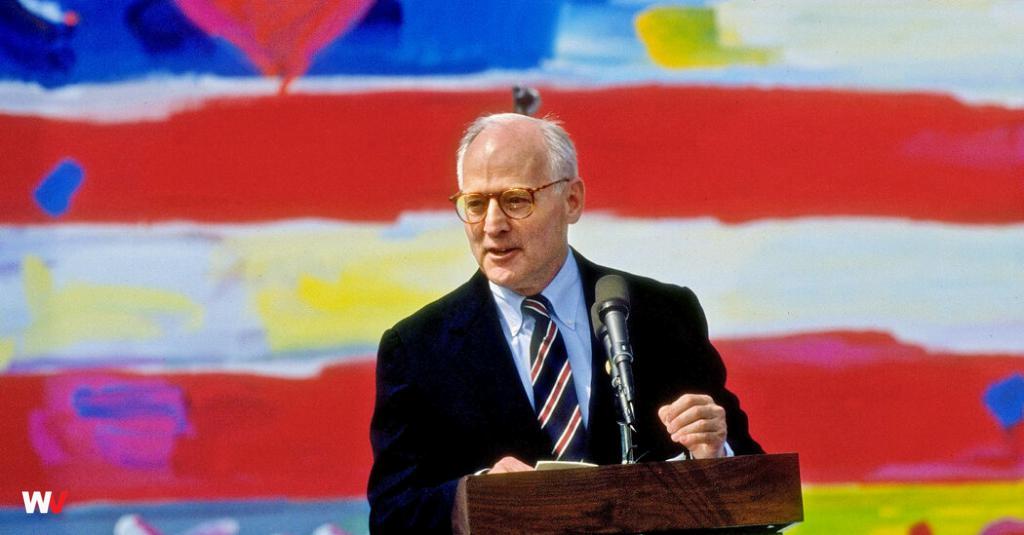
J. Richard Munro, who as chairman and chief executive of Time Inc. navigated the company from its home in magazine publishing through the stormy media seas of the 1980s and, ultimately, to its momentous purchase of Warner Communications in 1989, creating the world’s largest media corporation, died on Aug. 11 in Naples, Fla. He was 93.
His son Mac said the cause of his death, in a hospice, was melanoma.
When Henry R. Luce, the powerful founder of Time Inc., died in 1967, his will stipulated that his company should remain “principally a journalistic enterprise,” with a stable of high-profile magazines — including Time, Life, Fortune and Sports Illustrated — and a book-publishing arm.
Things had changed significantly by the time Mr. Munro took over as president and chief executive in 1980. Time Inc. was in the process of replacing its foundation in journalism and publishing with a more diverse set of media offerings, including HBO, the first major subscription cable channel, which began operating in 1972.
But the transition was not over, and Mr. Munro, who promised to serve as president and chief executive for a decade, committed himself to completing it, however painful a process it might be. He restructured Time-Life Books, the company’s publishing division, resulting in a 25 percent budget cut. He sold the company’s forest products division, which made paper and cardboard boxes.
He tried out a few new magazine titles, including TV-Cable Week, something of a TV Guide for cable television, which had begun to grow in popularity. But they bombed; TV-Cable Week cost Time some $40 million and nearly cost Mr. Munro his job.