General
It’s Zinc Bar vs. Barista in a Paris Battle of the Buzz
It’s a Parisian scene as iconic as the Eiffel Tower: the sidewalk cafe, where outside, rattan bistro chairs and tables invite passers-by to linger and engage in people-watching, and inside, strangers mill about the bar and exchange small talk over …
It’s a Parisian scene as iconic as the Eiffel Tower: the sidewalk cafe, where outside, rattan bistro chairs and tables invite passers-by to linger and engage in people-watching, and inside, strangers mill about the bar and exchange small talk over astringent espressos and glasses of wine.
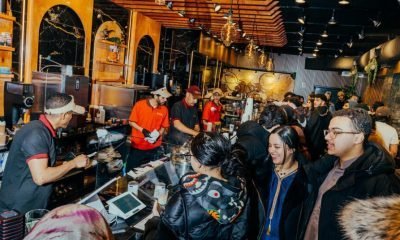
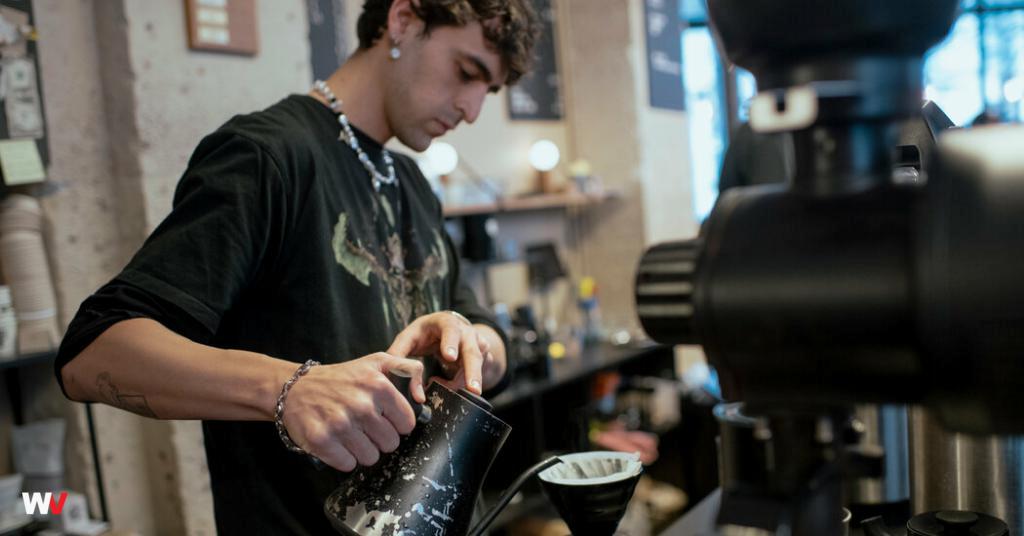
But over the last 15 years, a distinctly Anglophone, caffeinated import has been putting the squeeze on Paris’s cafes and bistros: the specialty coffee shop. With their carefully curated aesthetic, artisanal fare and rapid growth, coffee shops, some say, have increasingly poached the attention, time and euros of Parisians as well as the millions of international travelers who visit the French capital every year.
Since the early 2010s, when the first wave of niche coffee shops opened in France, their number has risen 74 percent across the country to 3,500, with a new coffeehouse now opening every week, according to Collectif Café, a trade association.
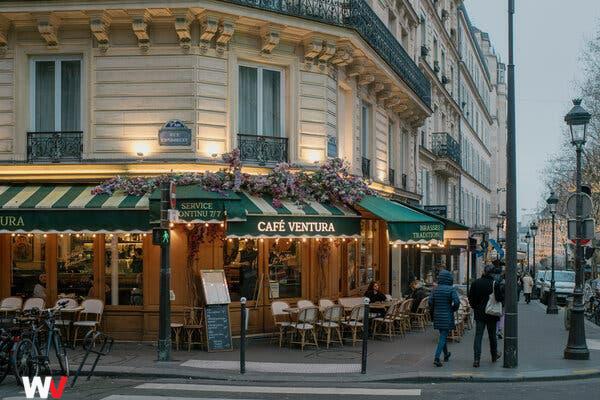
Café Ventura, in Paris’s Pigalle neighborhood. It’s hard to overstate the importance of cafes in French culture, though their numbers are declining. According to one estimate, France in the 1960s had about 200,000 bistros and cafes. They now number around 40,000. Credit…Dmitry Kostyukov for The New York Times
“Do coffee shops pose a danger to us? The answer is yes,” said Alain Fontaine, the owner of Le Mesturet bistro in the Second Arrondissement who petitioned the French government for six years to protect cafes and bistros with a special cultural-heritage status. They received it in September. “In the long run, it could shut down businesses like ours,” he said.
Parisian cafes and bistros have faced competition before, in the form of fast-food and coffee chains (notably Starbucks), at-home coffee machines (notably Nespresso), food delivery services, declining alcohol consumption, remote work and changing consumer habits.