General
Israel Allows Some Aid Into Northern Gaza After U.S. Warning
A day after the United States said it had told Israel that a failure to allow more humanitarian aid into Gaza could prompt a cutoff of military supplies, one of the starkest U.S. warnings since the war began, there was no official response from the …
A day after the United States said it had told Israel that a failure to allow more humanitarian aid into Gaza could prompt a cutoff of military supplies, one of the starkest U.S. warnings since the war began, there was no official response from the Israeli government.
COGAT, the Israeli government agency that oversees policy in Gaza and the West Bank, has long insisted that it is not limiting aid to Gaza and has blamed humanitarian agencies for failing to distribute the supplies it admits into the enclave after screening. On Wednesday, it announced that it had inspected and permitted 50 aid trucks to enter northern Gaza from Jordan — carrying food, water, medical and other supplies — “in accordance with international law.”
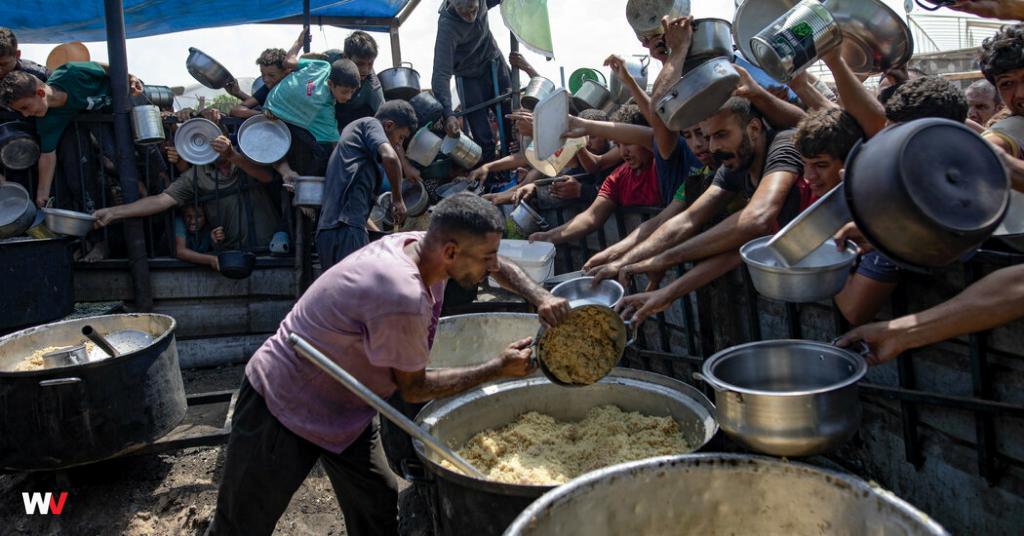
That is a fraction of what aid agencies say is needed to meet the dire needs in Gaza, especially in the north, where the United Nations has said that Israel “has tightened a siege” this month as it steps up military operations against Hamas.
“People have run out of ways to cope, food systems have collapsed and the risk of famine is real,” the U.N. World Food Program said this week of northern Gaza.
On Sunday, Defense Secretary Lloyd J. Austin III and Secretary of State Antony J. Blinken sent a letter addressed to Israel’s minister of defense, Yoav Gallant, and its minister of strategic affairs, Ron Dermer, saying that Israel had 30 days to allow more aid into Gaza or the United States, Israel’s main military supplier, would consider cutting off weapons. The letter amounted to some of the Biden administration’s sharpest criticism of Israel’s wartime policies toward civilians in Gaza.
But critics noted that extreme hunger in Gaza has been growing for months. The 30-day deadline falls after the U.S. presidential election, potentially making it politically easier for President Biden to take tougher action against Israel than he has so far been willing to.