General
Isolationist? Nationalist? No, Trump Is Something Else Entirely.
When President Trump started talking about regaining control of the Panama Canal, colleagues and friends barraged me with questions. Where did this seemingly out-of-the-blue interest in a long-since-yielded area of control come from? How did a fit of …
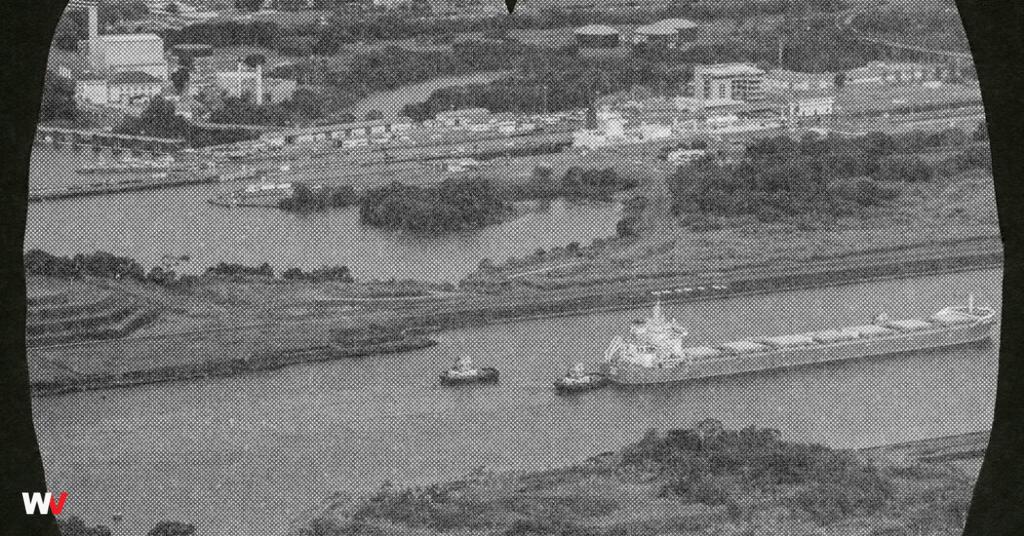
When President Trump started talking about regaining control of the Panama Canal, colleagues and friends barraged me with questions. Where did this seemingly out-of-the-blue interest in a long-since-yielded area of control come from? How did a fit of pique about tolls and China grow into a threat to force Panama to cede its territory to the United States? Was there some kind of larger rationale that might explain it?
They asked me because for more than seven years, I have been studying conservative activists and their views of 20th-century foreign policy. If anyone should know, they reasoned, I should. But for all the time I’ve spent in libraries and archives, I was as flummoxed as anyone about the historical roots of Mr. Trump’s worldview.
The historical literature doesn’t provide much guidance. Historians tend to slot conservatives into three major, sometimes overlapping, groups: anti-communists, defense hawks and neoconservative nation builders. Those proved awkward fits for Mr. Trump in his first term, gesturing toward but not capturing his essence. Yes, he routinely called his enemies communists, but then embraced (and later spurned) the North Korean dictator Kim Jong Un. Yes, he boasted about American military power, but then seemed to defer to defer to Russia and its president, Vladimir Putin. He claimed to want American troops out of Afghanistan, but failed to conclusively follow through. With his penchant for personal and transactional politics, and his often purposeful unpredictability, the man was almost impossible to categorize.
Historians instead pulled out a category that has rarely been used to describe anyone on the right for 75 years. Noting Trump’s rhetoric, they dubbed him an isolationist, like some of the conservatives who opposed the United States’ entrance into World War II.
Yet Mr. Trump’s recent moves demonstrated the limits of that moniker. Annexing Canada? Taking over Greenland? Demanding possession of the Panama Canal? How could those threats to take foreign territory square with isolationism?
There is, it turns out, a little examined strain of history that provides a fresh way to understand his instincts. Hidden in plain sight in the dusty papers and collections of everyday right-wing Americans lies a whole new way of thinking about Mr. Trump’s foreign policy. He is a “sovereigntist.”