General
Is H.R. Really Your Friend?
Send questions about the office, money, careers and work-life balance to workfriend@nytimes.com. Include your name and location, or a request to remain anonymous. Letters may be edited. Speak Up or Stay Silent? I can’t answer that last question, the …
Send questions about the office, money, careers and work-life balance to workfriend@nytimes.com. Include your name and location, or a request to remain anonymous. Letters may be edited.
Speak Up or Stay Silent?
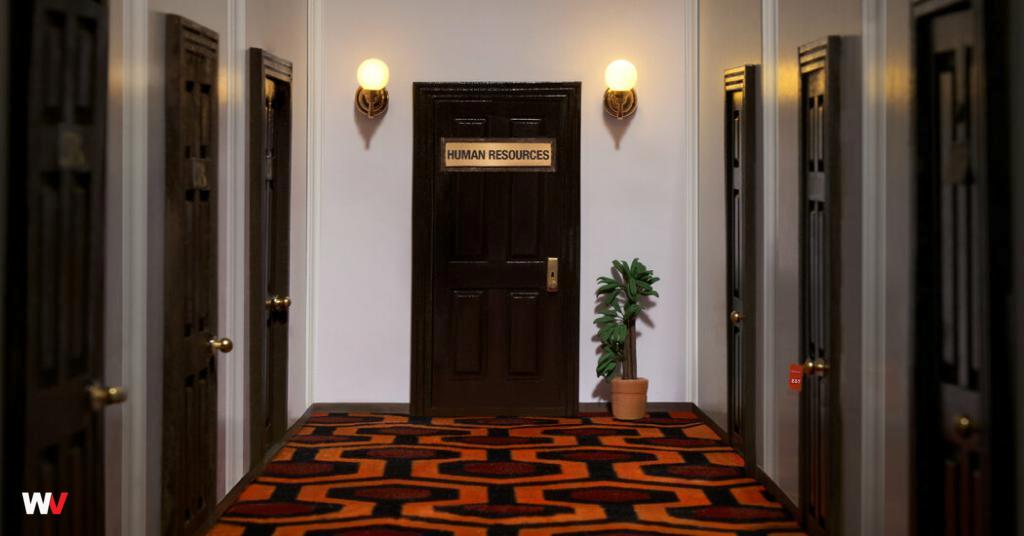
I can’t answer that last question, the one about corporate America, because I haven’t worked in corporate America in some time. (I’d also want you to define what you mean by “corporate America.”) Regardless, it seems to me that your real question regards whether a human resources department — or your company’s human resources department — is a force for good, or ill? The fact that you worry that consulting H.R. about your manager’s failings (and how they’re impacting your entire team) would be “career suicide” suggests that there isn’t much trust between people or departments within your company.
And that, I think, is a lot more damning, and perhaps more demoralizing, than the reality that your manager is falling down on the job. A lack of trust within a company hurts individuals and the company itself, because, as you said, members of a team may leave their jobs.
You appear to have a lot of empathy for your manager. And you diagnose the situation correctly, I suspect, as one that is rooted in his insecurities and feelings of overwhelm. What I don’t know is this: How long has he been in the job? And have you tried talking to him one on one? I think there’s a way to approach him, not from the point of view of a concerned subordinate — he might get defensive — but as a supportive colleague. You might consider telling him (reiterating, actually) how much you and your co-workers want to be involved in the work your team does, and that your offers of assistance might help.
But back to the issue of whether or not to approach H.R. I’ll be honest: I’m torn. I’ve worked for companies with responsive H.R. departments, but I’ve also had one or two jobs in which human resources’ primary mission appeared to be to protect employees in upper management from those further down the ladder. In these situations it wasn’t so much that I thought that going to H.R. about my concerns would be “career suicide” but that it was unlikely that H.R. would, or could, do anything to ameliorate the situation. And that, of course, was enough to make me want to leave.
But maybe I am looking at it all wrong.
I contacted an H.R. expert to get his take. Peter Cappelli is a professor of management at the Wharton School of Business and director for the Center for Human Resources at the University of Pennsylvania. He’s also a co-author of a recent article in the Harvard Business Review titled “HR’s New Role.” In it, Mr. Cappelli and his co-author, Ranya Nehmeh, argue that, thanks to the current tight job market, H.R. departments need to redouble their efforts to support and retain employees. But that doesn’t mean that they need to — or can be expected to — solve an employee’s problem.