General
Interview: Jellyfish boom — threat or treasure?
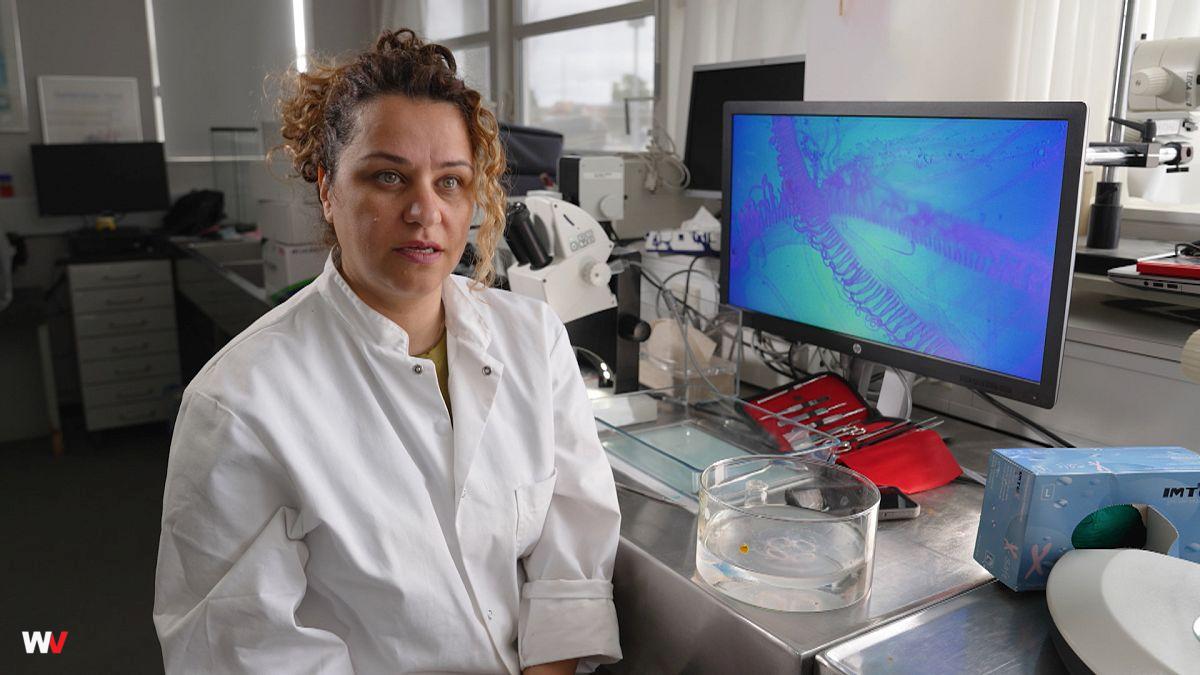
According to biology professor Jamileh Javidpour, there is a need to look at anti-inflammatory material that might be extracted from jellyfish, or anti-cancer, immune-related biochemicals that exist but were neglected in the past.
In a world where most marine species are struggling to cope with warming waters, pollution, and overfishing, jellyfish are flourishing.
These gelatinous creatures seem to be taking over oceans globally, causing havoc for natural ecosystems and human activities alike.
So, how should we tackle this growing jellyfish invasion?
“Ocean” sat down with Jamileh Javidpour, a biology professor at the University of Southern Denmark who has been researching jellyfish for two decades and coordinated the EU-funded GoJelly project.
“Jellyfish are becoming a nuisance for many areas,” Javidpour says.
“For example, the rate of stinging is increasing. We have to protect infrastructure in coastal areas to not have jellyfish inside that production line.”
Jellyfish and jellyfish blooms are only a symptom of a disturbed system. However, the problem is rooted somewhere else.
- Beat them or eat them: What should we do about invasive species in the ocean?
Tracing the root cause
Javidpour believes that once we think of getting rid of jellyfish blooms or solving a problem, we have to understand where the problem is coming from.
“So it’s eutrophication, overfishing, and climate warming that might be solved to get rid of the problem.”
“And once there is a guideline to know how to get rid of them, then we can utilise that amount of biomass for something good for us, which comes back to society,” explains Javidpour.

There are examples from East Asia, where interest in jellyfish as food is huge.
The biology professor asks that we also look at anti-inflammatory material that might be extracted from jellyfish, or anti-cancer, immune-related biochemicals that exist in jellyfish but were pretty much neglected in the past.
“But with that, I have to also say that we should not make the same mistakes as when we started utilising biological material and not taking care of the population,” says Javidpour.
“Otherwise, we will come to a problem again, where we are depleting the entire ecosystem because jellyfish resource is available.”
- Interview: How collaboration between fishers and scientists helps Malta’s fishing sector
- Scientific observers work with fishers shaping future of Malta’s marine ecosystem