
General
In the Land of the Jaguars
I was prepared to wait, to soak up the magical morning light as our small motorboat traveled up the Rio São Lourenço in the Pantanal, Brazil’s vast wetlands. A tangle of lianas, acuri palms and strangler figs pressed close along the riverbank. I …
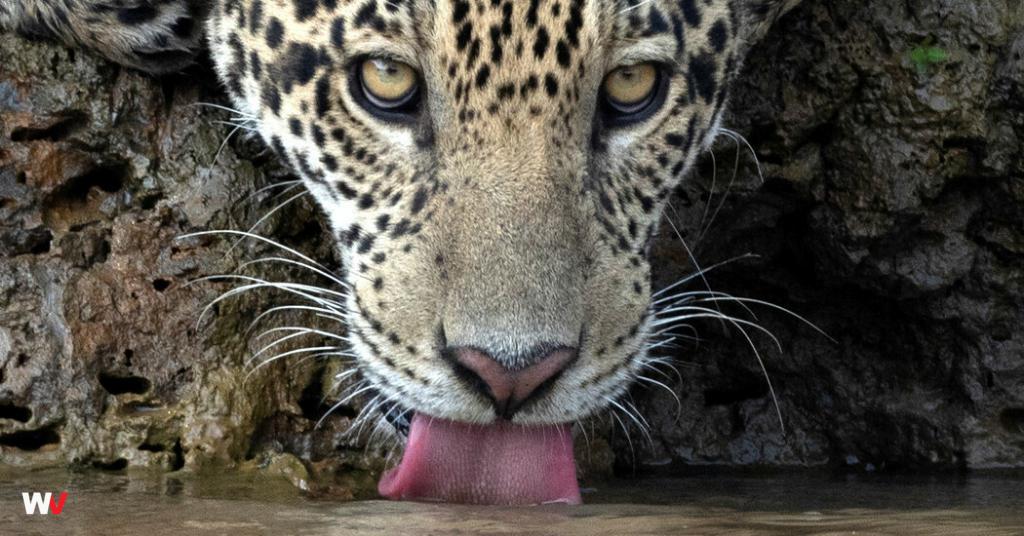
I was prepared to wait, to soak up the magical morning light as our small motorboat traveled up the Rio São Lourenço in the Pantanal, Brazil’s vast wetlands. A tangle of lianas, acuri palms and strangler figs pressed close along the riverbank. I stared into the forest, scanning for movement, for shadows, for a jaguar. But it was too soon.
Patience in the wild is a lesson I have learned over a lifetime of travel. On an African safari, for example, it can take days to spot a cheetah or a leopard.
But in Brazil, we had been out on the river for barely half an hour when the cry went up from Gabriel, the captain: “Jaguar!”
And there he was, a magnificent male sunning himself in the reeds. I expected him to flee. But as we pulled up to the riverbank, he remained watchful but inscrutable, giving no sign of being disturbed. Farther upriver, we happened upon a female jaguar with her cub. As they walked along the riverbank, the cub eyed us suspiciously, but for the mother it was as if we were not even there.
Where nature holds sway
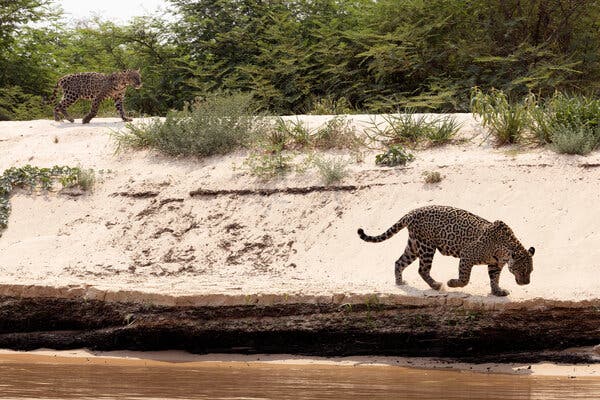
Two jaguars walk along the edge of a river in Encontro Das Águas State Park, less than an hour upriver from Porto Jofre.Credit…Sergio Moraes/Reuters
Close to the center of Brazil, the Pantanal begins south of the city of Cuiabá. From there to tiny Porto Jofre (about 160 miles), the MT-060 and the unpaved Transpantaneira Highway unfurl across the world’s largest wetlands, passing savanna and forest, ranches and eco-lodges.