
General
In Gaza, Even Poetry and Toilets Aren’t Safe From Thieves
Israel’s assault has driven Hamas underground, but for nearly two million Gazans, what followed in its wake is a lawlessness that is undermining communal trust.
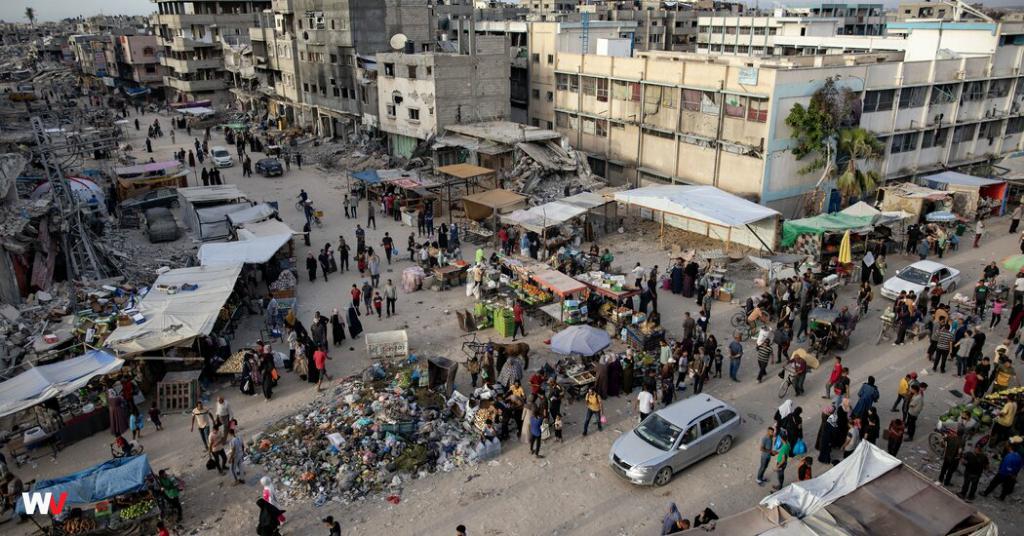
As he perused a market selling everything from stolen children’s shoes to battered plumbing pipes, Mahmoud al-Jabri was surprised to find something familiar: his own book collection.
Among the collection was his first published work of poems, with his handwriting scrawled along the margins. Even more shocking than seeing the book he had toiled for years to create was that the vendor wanted a paltry 5 shekels, or about $1, for it.
The salesman suggested using the pages for kindling.
“I was torn between two feelings,” he said, “laughter and bitterness.”
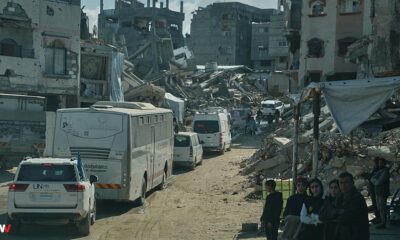
In Gaza, even poetry books can become a source of profit for enterprising thieves. A pervasive lawlessness has emerged from the rubble of cities obliterated since Israel launched its all-out offensive on the enclave in retaliation for the Hamas-led attacks of Oct. 7.
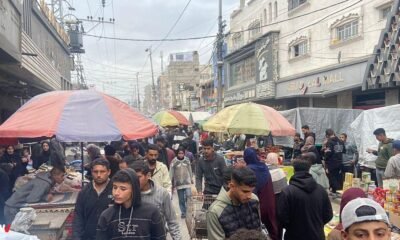
“Thieves’ markets,” as they are called by locals, have proliferated across Gaza, selling loot plundered from homes, businesses and even hospitals. With Israel blocking the flow of most goods into Gaza, the markets have become important places for finding household necessities. And visits to the markets have become a weary ritual for Gazans seeking to reclaim stolen pieces of their lives.