General
In Ballot Issues, Voting and Democracy Are Having a Moment
Residents in almost 20 states will decide on issues about gerrymanders, election rules and other voting issues.
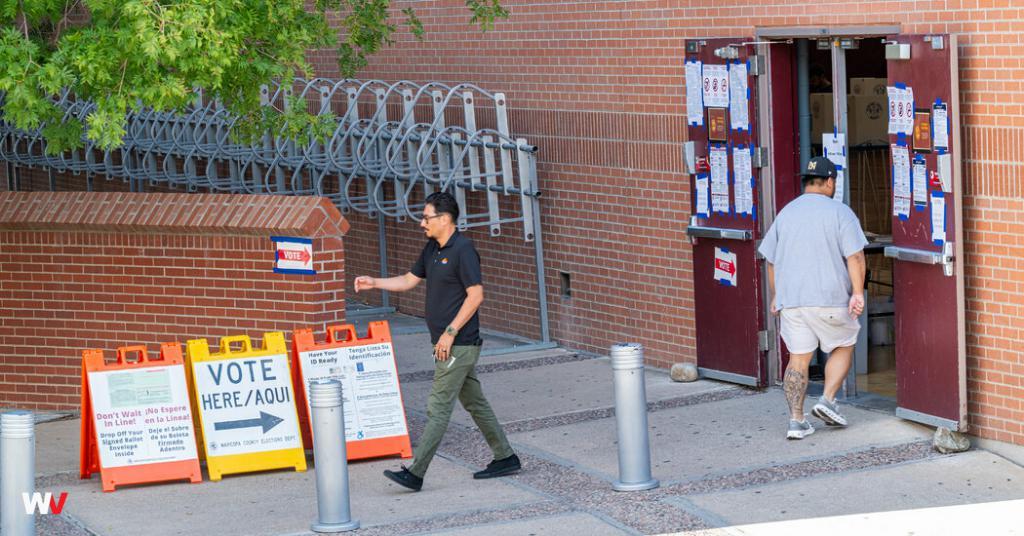
In a campaign season where the health of American democracy is hotly debated, voters in almost 20 states will get a chance to decide whether to change some of the basic rules of elections.
Those changes could broaden — or restrict — the power voters have.
The questions are being raised in ballot initiatives and in referendums on amending state constitutions, measures that have increasingly become vehicles for groups looking to shore up what they say is a deeply flawed political system.
Seventeen states and the District of Columbia have put questions about elections or voting on their ballots this fall, some of them triggering multimillion-dollar campaigns on both sides of the issue. Several have met stiff resistance from state legislatures and political leaders.
Dozens of other issues are also on state ballots this year. Three states — Colorado, Nebraska and Kentucky — have questions about using public money to subsidize students who want to attend private schools. Six states have proposals to increase the minimum wage or mandate paid sick leave. Five states are asking voters whether to legalize medical or recreational marijuana or “natural psychedelics.” Abortion rights measures are on the ballot in 10 states.
But more proposals to overhaul election rules in the name of curbing partisanship and political power are on the ballot this year than in any other year since ballot initiatives first were instituted more than a century ago, said Nick Troiano, the executive director of Unite America, a Colorado-based organization that has spent millions supporting such proposals.
Facing well-funded campaigns to defeat the proposals, Mr. Troiano said his group will consider it a good year if even one additional state adopts ranked-choice voting, open primaries or a ban on gerrymandering. “We’re playing the long game,” he said.