General
In a Brutal Summer, Miracles Still Bloom
Drought is a kind of madness. Drought combined with record heat makes you long to become subterranean, a mole digging into cool darkness. This longing feels the way desire feels when you are too young to recognize it as desire. Even safely inside a …
Drought is a kind of madness. Drought combined with record heat makes you long to become subterranean, a mole digging into cool darkness. This longing feels the way desire feels when you are too young to recognize it as desire. Even safely inside a cool house, your body is telling you that something is off. What you long for cannot be had. Until you think about it for a moment, it can’t even be named.
As a matter of technical fact, Davidson County, Tenn., where I live, is not in a state of drought, but the scattered showers that have blown in briefly here and there throughout the summer have not come to our yard. We got one hot rain so gentle it hardly broke the leaf canopy, and that was it for us all summer long. The forecasters at Nashville Severe Weather call these random pop-up showers “playing the wattery” — like a lottery but with water.
Day after day last week the temperature climbed — 99, 100, 101, 102 — and the air quality alerts arrived in flocks. Nashville Electric Service sent me an email: “Tips for Extreme Heat in Music City this Week.” In the photos on the pet-rescue sites that I check obsessively now, hoping to find just the right canine family member for this newly dogless house, all the dogs are panting. I feel the need to pant myself.
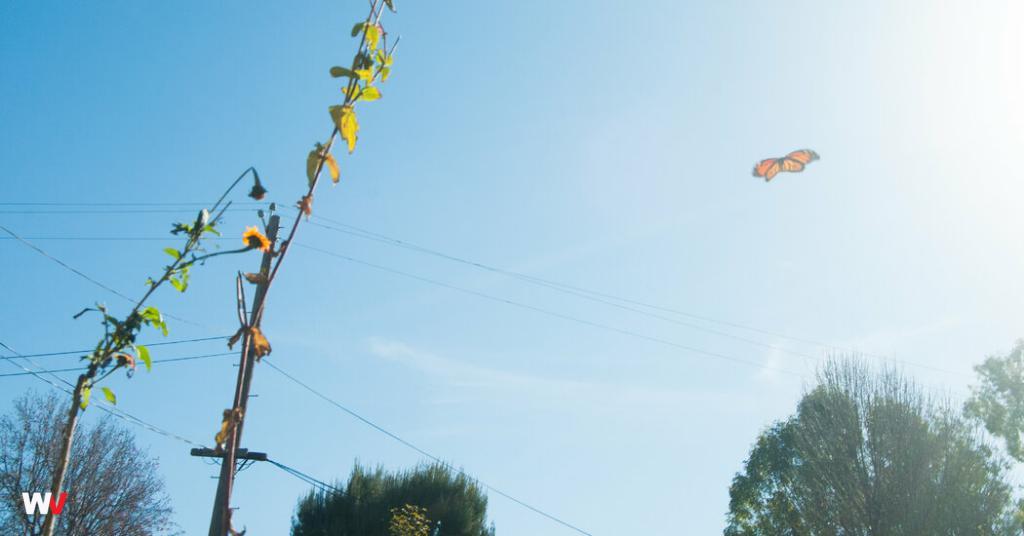
I hang the wet sheets on the clothesline and watch winged insects glittering down for a drink. Everyone is thirsty, but it’s the insects I worry about most, the tiny ones too fragile to chance drinking from the water dishes we set out for everyone else.
Despite the heat, I take a daily census of my pollinator garden. Early September is peak insect season in Middle Tennessee, but I’m worried about my winged neighbors. Some butterflies and native bees are especially stressed by heat, and drought is hard on everybody. We can’t afford to lose any of our pollinators. In just the past 40 years, we’ve already lost nearly half the world’s insects.
Every day I am thankful to find my pollinator garden buzzing. The showiest summer perennials — beebalm and milkweed and coneflower and black-eyed Susan and Joe Pye weed and swamp rose mallow — are all bloomed out now, but the ironweed and mistflower and goldenrod and frostweed and blue lobelia and mountain mint and boneset are covered with winged and crawling things. Not all these creatures are feeding on flowers.