
General
If the Choice in 2024 Were So Obvious, the Election Wouldn’t Be So Close
There are many styles of Harris-Walz signage in my lovely university-town neighborhood, but the one that’s stickiest in my mind comes with a one-word slogan: “Harris-Walz 2024: Obviously.” It’s sticky because it gets at something fundamental and …
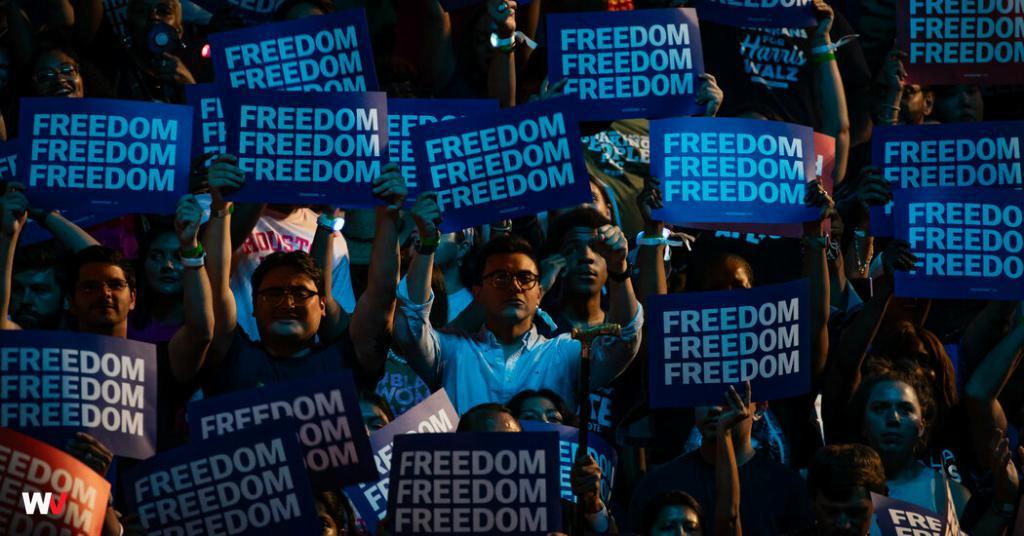
There are many styles of Harris-Walz signage in my lovely university-town neighborhood, but the one that’s stickiest in my mind comes with a one-word slogan: “Harris-Walz 2024: Obviously.”
It’s sticky because it gets at something fundamental and fundamentally strange about Trump-era America. The divisions in our country are resilient, the reversion to a 50-50 split seemingly inevitable even amid plague and war and protest. Yet in those regions of America that officially have a professional commitment to debate — the realms of academic and journalistic argument — things are still mostly as they were when Donald Trump first emerged: To oppose him is completely obvious, obligatory, a matter of simple common sense.
Except that it can’t be that obvious or we wouldn’t be where we are. So let’s take one last survey of why some waverers might not yet be sold on Kamala Harris and Tim Walz, by returning to where this all began: The world of 2016, when Americans normally disinclined to vote for liberals were first informed that there was no other reasonable choice.
In that world, the Hillary Clinton campaign offered the country an implicit bargain. The promise was not some sort of dramatic bipartisan moderation to meet the Trumpist threat; on policy Clinton’s campaign was somewhat more left-wing than Barack Obama’s White House.
Rather the promise was that even if you disagreed with liberalism’s elites on policy, you could trust them in three crucial ways: They would avoid insanity, they would maintain stability, and they would display far greater intelligence and competence that Trump and his hangers-on.
The promise of sanity was broken first. Under Trumpian and especially Covidian conditions, the culture of elite liberalism lurched toward fanaticism, embracing radical and fanciful ideas to a degree that I had not imagined possible.