
General
I Work in TV and Even I Hate Watching It
I try to watch TV, I swear. But every time I sit down to find a new show, I brace myself to run an exhausting digital gantlet. The viewing experience, which used to be relatively straightforward and, dare I say, fun now feels as overwhelming and …
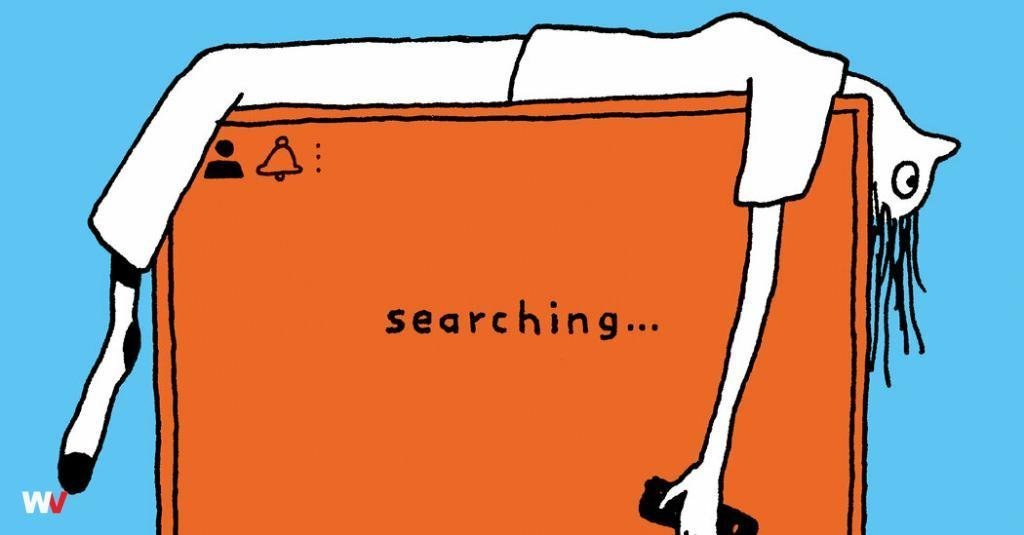
I try to watch TV, I swear. But every time I sit down to find a new show, I brace myself to run an exhausting digital gantlet. The viewing experience, which used to be relatively straightforward and, dare I say, fun now feels as overwhelming and unpleasant as walking into a dimly lit, warehouse-size dollar store in search of one decent spatula.
This is not something I should admit because I work in television. I started out as an agent and then worked as a producer, and now I’m a screenwriter who sells a pilot every year or so. I love working in television; I just no longer love watching it.
If the goal of streamers once seemed to be prioritizing and supporting great series from a diverse group of interesting creators, that goal seems to have shifted from making better shows to just … making more of them. As viewers, we’re being flattened by a fire hose of programming — and the experience of watching TV feels like a ritual of submission, passively accepting a slush of shows served up by a streaming service’s algorithm.
I’m not the only one who feels this way, apparently. How else to explain the surprising success of Tubi, a free streaming service that’s supported by ads and offers few prestige shows or buzzy hits yet set a new high for average monthly viewers earlier this year, beating out the average numbers for high-profile rivals like Disney+, Peacock and Max?
Tubi isn’t reinventing television; in fact, with its free programming and frequent ad breaks, it’s returning to a successful model. But the executives at Tubi seem to understand that viewers want to feel engaged and invested, not manipulated and pinned down. We want well-curated choices rather than an avalanche of mush.
Scrolling Tubi, my heart warms to find the BBC’s “Pride and Prejudice” and the original “Bewitched”; I save “MasterChef” to watch with the family and flag a new Nicola Coughlan Channel 4 comedy, “Big Mood,” to savor immediately. While Tubi uses algorithms and personalized recommendations, its offerings feel more thoughtfully chosen, a mix of the familiar and the adventurous; as the TV critic Kaiya Shunyata put it, Tubi “feels very much like you’re choosing what you want to watch; it’s not an algorithm choosing it for you.” It’s a potent reminder of what we used to love about watching TV — and how we might rekindle that love affair.