
General
I Spent Trump’s Inauguration in Ukraine. This Is What I Saw.
On the day of Donald Trump’s second inauguration, an air raid was in effect in Odesa for much of the afternoon. People went about their business. Street vendors continued selling coffee. Trams kept running. At Pryvoz, the mammoth farmers’ (and …
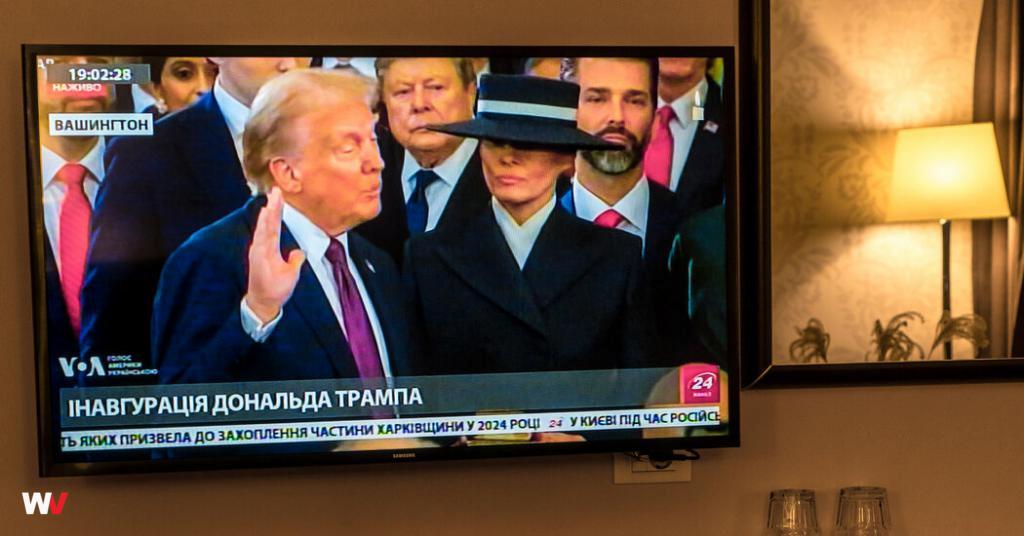
On the day of Donald Trump’s second inauguration, an air raid was in effect in Odesa for much of the afternoon. People went about their business. Street vendors continued selling coffee. Trams kept running. At Pryvoz, the mammoth farmers’ (and everything else) market, electricity went out for a while, but that seemed to have no effect on the pace of commerce; if it was slow, that was because it was a Monday. In the two years and 11 months since Russia launched its full-scale invasion of Ukraine, Odesa has gone through stages: months of shock and fear, followed by something akin to denial and, finally, adaptation.
Odesa is one of those cities — like, say, New Orleans — possessed of a distinct personality, a mythology of itself that fuels a fierce and joyful kind of patriotism. Odesa is rightfully proud of its sea views, its architecture, its food, its multiculturalism, its entrepreneurship and its libertine spirit, but its singular distinction is the well-turned phrase, the unsparingly hilarious joke.
Hanna Shelest, a military analyst, made one of those remarks early on in the war. As she recalled, not long after Russia invaded, an Italian journalist asked her — in that way that male journalists “ask” female experts they are interviewing while actually telling them what to think — “You do realize that you are going to have to give Vladimir Putin something?” Shelest paused and said, “You are right. We’ll give him Lake Como.” It was a perfect way of pointing out the absurdity of the premise, that Ukraine owed Putin something just because he wanted it.
I asked Shelest to watch Trump’s inauguration with me. We used the TV in my hotel room. Shelest, who is 43, and her parents, who are both 65, have been living in a borrowed apartment since a Russian drone hit their building on Nov. 14 of last year. She had just finished an on-air interview with a French television channel when she heard a soft boom, and then the chandelier in her study fell to the floor, just missing her mother. It took them all a few minutes to realize that some of the rooms in their apartment were in ruins, and the apartment next door was in flames. Still, they were lucky: The drone didn’t explode. In the days that followed, after the fire had been put out, Shelest and her mother used a fire truck’s lift to get into their apartment through a window to salvage some clothes.
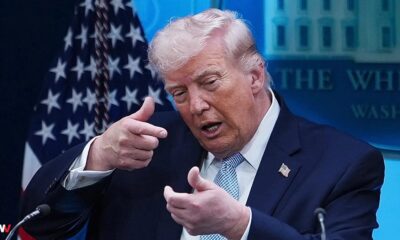
“That was kind of odd,” Shelest said when Trump finished his speech. “I am confused by the emphasis on sovereignty. Is anyone threatening the sovereignty of the United States? It’s particularly odd watching this from Ukraine, where we are actually fighting for our sovereignty. It has a way of diminishing our struggle.” She was a little surprised that Trump didn’t mention Ukraine, though he had previously promised to end the Russian-Ukrainian war within 24 hours. One might assume that Trump was referring to Ukraine when he complained that the Biden administration had “given unlimited funding to the defense of foreign borders.” She said a probably unintended effect of not mentioning Ukraine by name was that Japan and Taiwan, for example, as well as military contractors, were put on notice. “And Panama!” she added. “What did calm, peaceful Panama do?”