Future
How to Turn Up the Heat on Your Mulled Cocktails
A mulled white wine made with coriander, fennel and elderflower liqueur, a punchy nonalcoholic mulled cider, and mulled beer fortified with Cognac will make the season bright.
Cold weather makes a near universal case for hot drinks. Add in a festive season and mulled wine quickly enters the chat.
The heady, warming drink dates to Roman antiquity and remains a seasonal staple. In markets across Europe, steaming mugs have various monikers — “vin chaud” in France, “glogg” in Sweden, “glühwein” in Austria and Germany — frequently made by heating together red wine, a sweetener such as sugar or honey, and spices. Some are fortified with boozier spirits, others dotted with plump dried fruits and nuts, and often the fragrant result smells better than it tastes.
To avoid a potpourri-adjacent drink, reconsider what it means to mull in the first place. To resort briefly to a timeworn wedding toast opener: Webster’s New World College Dictionary defines the word “mull” as a transitive verb, meaning “to heat, sweeten and flavor with spices (wine, cider, ale, etc.).” While classic mulling spices — cinnamon sticks, cloves, ginger, allspice, star anise — tend toward the baking set, the act of mulling refers less to a static mix of spices and more to the technique.
Recipes: Mulled Wine | Mulled Beer | Mulled Cider
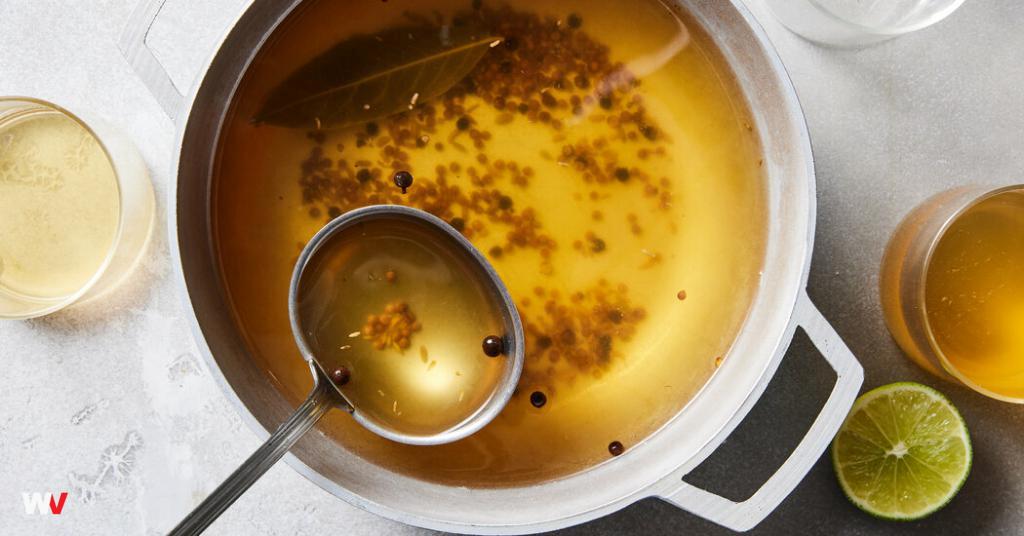
But a shift toward less-obvious choices opens up a modern world of mulling: Earthy, tart and often relegated to savory applications, whole coriander seeds impart a citrusy, floral flavor and fragrance. A smattering of black peppercorns infuse them with darker fruit notes as well as heat. Bay leaves add an herbal, aromatic flavor.
Diaspora Co., a spice company, uses fennel seeds in its chai masala, which lend a warm sweetness. “It’s a nontraditional addition,” said Sana Javeri Kadri, Diaspora’s founder and chief executive, “but we found that when you have that anise-y sweetness you actually end up needing less sugar.”