

General
How to Talk to Colombia’s Largest Criminal Group
In late December 2023, Colombia’s largest armed group began to overrun Briceño, a village in the Andes. Residents later told me that the militants carried latest-issue weapons and called themselves the Gaitanista Self-Defense Forces. Briceño’s …
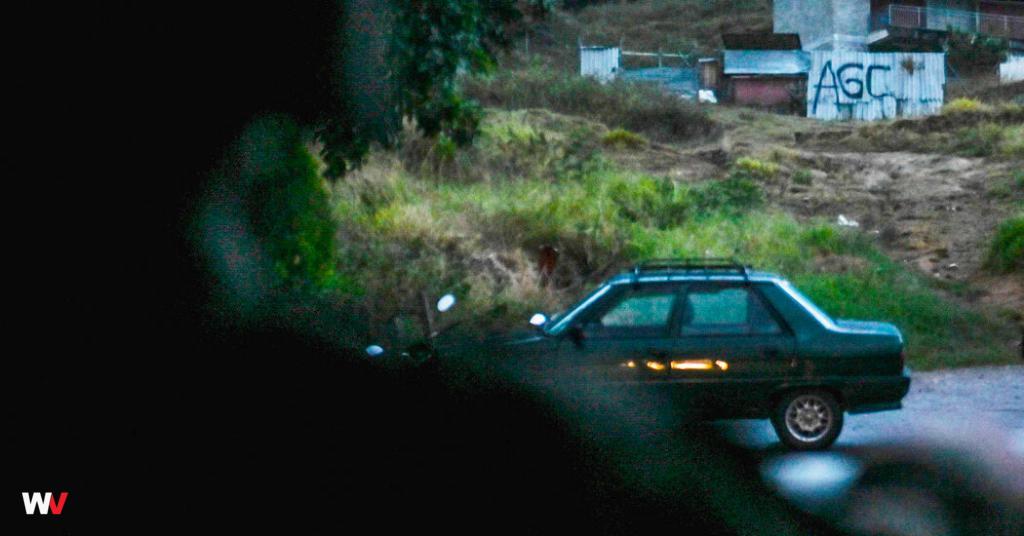
In late December 2023, Colombia’s largest armed group began to overrun Briceño, a village in the Andes. Residents later told me that the militants carried latest-issue weapons and called themselves the Gaitanista Self-Defense Forces. Briceño’s inhabitants said the camouflaged fighters gathered them with a simple message: “We’re in charge now.”
For years, this scene has taken place in towns across Colombia, as the Gaitanistas, an illegal organization that oversees a majority of the country’s drug shipments and migrant trafficking through the Darién Gap, has become one of the most powerful organized criminal groups in South America.
In December 2022, President Gustavo Petro announced cease-fires with five armed groups, including the Gaitanistas, with a goal of opening peace talks. But in March 2023, Mr. Petro canceled the cease-fire with the Gaitanistas, having previously accused them of taking advantage of the deal to continue their illicit economic activities. After the cancellation, military activity against the Gaitanistas increased, with the newly formed Joint Military Command — supported by 30,000 troops, aerial capabilities and the Colombian Navy — striking at the armed group.
In August of this year, the Colombian government announced it would enter talks with the group. The Gaitanistas — widely known as the Gulf Clan — and the administration of Mr. Petro have now agreed to what they’re calling a “socio-judicial” conversation, talks that aim to improve conditions for local communities and have fighters lay down their arms.
The talks, which are not yet scheduled, are the latest step in Mr. Petro’s plan to negotiate with armed groups operating in Colombia in a quest for “total peace,” after a half-century of internal conflict with guerrilla and criminal groups. The government is also in negotiations with other rebel insurgencies, the National Liberal Army, or ELN, and two breakaway factions of the former Revolutionary Armed Forces of Colombia, or FARC, which laid down arms as part of a peace deal in 2016. But talks with the Gaitanistas will be the most complex. Earning an estimated $4.4 billion a year and with as many as 9,000 fighters, the Gaitanistas are organized and entrenched.
I have seen firsthand the extent of this armed group’s influence and the threat it poses. Over the past year, I visited a dozen communities under Gaitanista control, interviewed current and former members — including jailed commanders — and spoke to members of the Colombian security forces and regional governors, mayors and elected neighborhood councils. These are places where the organization’s control is so complete that fishermen must ask their permission to go out on the waters. Residents abide by curfews set by the Gaitanistas on major roads. The group’s militants stand at town entrances and exits to monitor who comes and goes.