

General
How the U.K.’s Budget Makes a Big Bet on Spending for Growth
The Labour Party is betting that extra spending on public services and more investment will eventually revitalize the country’s stagnant economy.
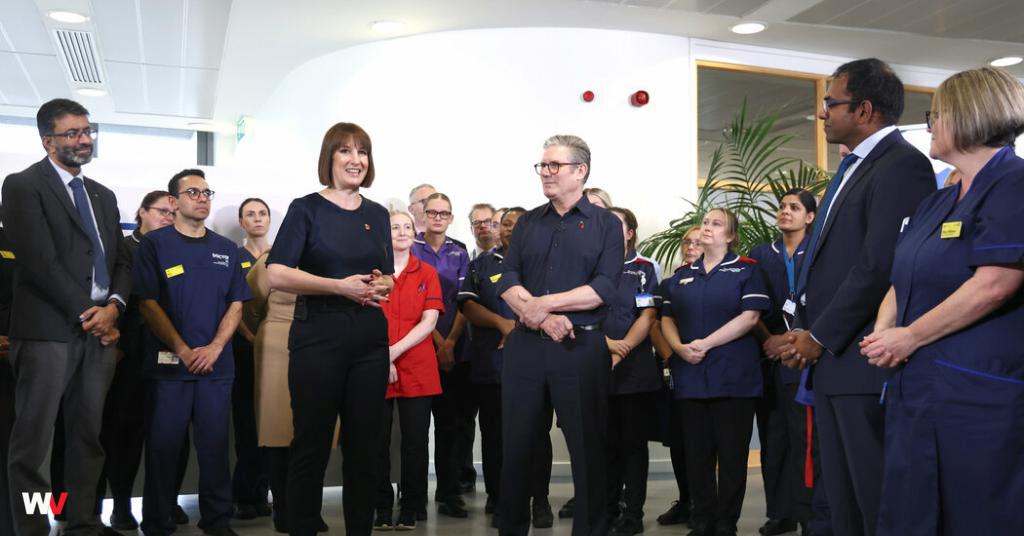
Rachel Reeves, the chancellor of the Exchequer in Britain, had promised “a budget for economic growth” and “a budget for investment.”
On Wednesday, she announced a sizable increase in public spending — about 70 billion pounds ($90 billion) a year over the next five years. Roughly half of it would be paid for by tax increases, particularly on employers, and the rest through more borrowing. Ms. Reeves also said she would spend £100 billion over the next five years on investment, reversing planned cuts by her predecessor.
But as the dust settled on the Labour Party’s first budget announcement in 14 years, it was clear that the budget included plenty of investment and spending, but there was not much growth.
Big changes in public service spending.
Much of the additional public spending that Ms. Reeves has announced is set to be put in place this year and next, injecting a lot more cash into public services, particularly the National Health Service. There’s also extra money for transportation, education, local government and some other departments.
Ms. Reeves put departments’ day-to-day spending “on a much more realistic, much firmer footing,” said James Smith, the research director at the Resolution Foundation, a research organization.
The cost of that will be felt for some in lower wage growth. Although the Labour Party has promised not to raise taxes on “working people,” most of the increase in taxes for employers is expected to be passed on to employees in smaller salary raises, analysts said.