General
How I Lost Hope and Took Up Singing
Earlier this winter I was sitting with my friend Sasha in his Soviet-era apartment building in our hometown, Odesa, on the Black Sea coast of Ukraine. He told me about an airstrike that had shattered a few of his neighbors’ windows. Frowning as he …
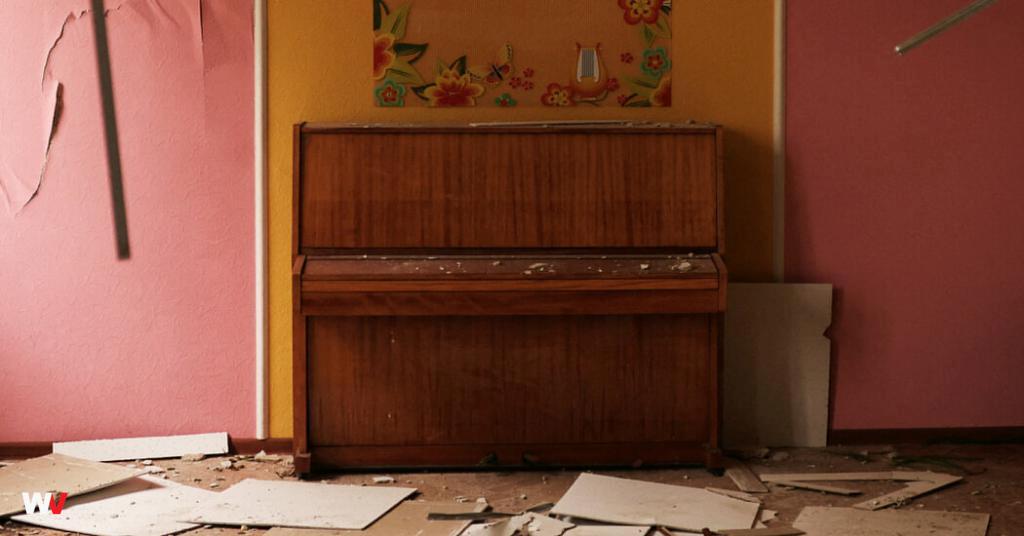
Earlier this winter I was sitting with my friend Sasha in his Soviet-era apartment building in our hometown, Odesa, on the Black Sea coast of Ukraine. He told me about an airstrike that had shattered a few of his neighbors’ windows. Frowning as he told the story, he then turned his chair to face his electric piano. As the crease across his forehead eased, he said, “But our little song is not over yet.” He used the phrase in its metaphorical “not everything is lost” meaning and quite literally — I had come to his austere bachelor flat for singing class.
We started our lessons a little over a year ago, when air alerts and military squads looking for men of conscription age at rush hour had become mundane. With no end to the conflict in sight, most of my family and friends had already left while others were still hesitating or choosing the right destination.
Each departure drained a little hope out of me. And every day I found it harder to believe that peace and the people I loved would ever return. When I had given up hope altogether, my sense of abandonment was colored in sadness, for sure, but also with shades of profound relief. Feeling angry and powerless gave me a new freedom to do anything I wanted.
It wasn’t the fear of failure that had stopped me from taking up this new hobby before — I had never considered it at all. At 42, I thought the contours of my life — my ambitions and interests — were well defined, and singing wasn’t part of it. Since childhood, I had memorized and lip-synced the lyrics of my favorite songs, but I was never brave enough to even whisper them, let alone try to sing along.
But when there is so much uncertainty about the shape of the future, the only time to do things is now.
In the months after the violence had taken a grip on our lives, we felt suspended in time. I spent hours scrolling for good news or any news at all. Everyone I knew was putting plans on hold because “we don’t know what will happen tomorrow” and because “it isn’t a good time.” We hoped that life would go back to normal; meanwhile, what we accepted as “normal” had to be renegotiated every day.