

General
How California’s New Fuel Standards Could Affect Drivers
Regulators say the changes are essential to reducing carbon emissions. But political leaders in both parties are worried that gas prices could further increase.
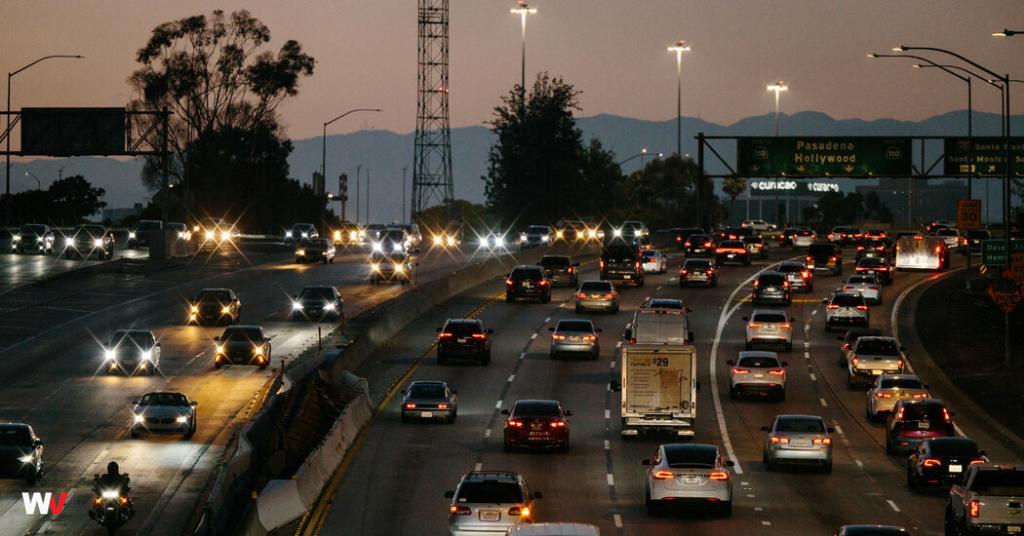
California air quality regulators have tightened carbon standards in an attempt to further cut emissions from fuels in the state’s transportation system.
Several members of the California Air Resources Board, a powerful body that can influence global policies, called the rule changes a critical step on climate amid an expected rollback of federal environmental efforts under President-elect Donald J. Trump.
But the complex regulations, which were approved at the end of a marathon meeting on Friday, have spurred political fights this year between various groups. State lawmakers from both parties have criticized the changes for their potential to hike California’s gas prices, which are already among the highest in the nation.
The new restrictions have also triggered a dispute among environmental groups, researchers and industry officials over whether the California program disproportionately benefits the biofuels sector.
Here’s what to know about the changes.
How is the California program changing?
California’s Low Carbon Fuel Standard is a statewide, market-based program that requires significant cuts in the carbon emissions produced by transportation fuels. This includes the emissions associated with their production, conveyance and use by consumers. The transportation sector on the whole accounts for about half of the state’s greenhouse gas emissions.
To comply, fuel producers must either reduce emissions in their own operations or buy credits from companies that sell fuels considered to be low in carbon. Such fuels include electricity for electric vehicles and renewable diesel, a biofuel that is chemically equivalent to petroleum diesel but derived from renewable biological sources such as plant oils and animal fats.