

General
How Authoritarian Governments Rig Elections to Stay in Power
Nicolás Maduro, was declared the winner of Venezuela’s presidential election despite widespread irregularities. Here are some tools autocrats like Mr. Maduro use to stay in power.
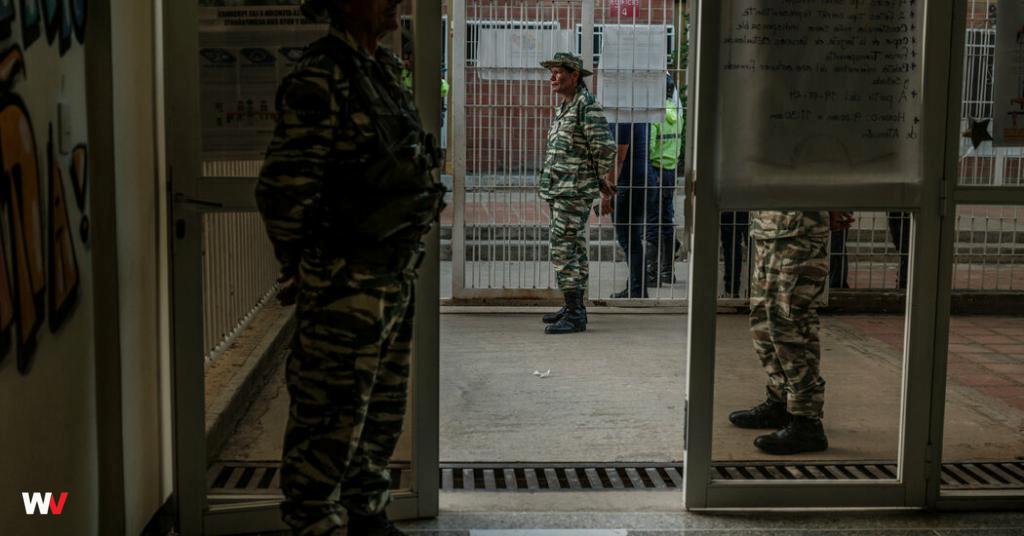
President Nicolás Maduro was declared the winner of Venezuela’s presidential vote on Monday despite glaring election irregularities, plunging the country into widespread protests.
The vote came after millions of Venezuelans had rallied behind the opposition candidate, Edmundo González, who stood in for the popular opposition leader, María Corina Machado, who was barred from running by Mr. Maduro’s government. Mr. Maduro was declared the winner by the country’s electoral authority, which did not release a full vote count, fueling suspicions about the credibility Mr. Maduro’s claim of victory.
Ms. Machado called the results “impossible,” and many pointed to government interference at polling stations.
This is not the first time Mr. Maduro’s administration has been accused of reporting false election results. Like other authoritarian leaders across the world, Mr. Maduro has employed myriad tactics to rig elections in an attempt to garner legitimacy by skewing the democratic process.
Here are five different ways authoritarian governments can rig elections.
Co-opting different arms of the government.
Co-opting different arms of the government, such as the judiciary or its legislative body is a common tool used by authoritarian governments to rig elections.





