
General
Haniyeh’s Death Will Shake but Not Destroy Hamas, Analysts Say
Ismail Haniyeh was the top figure managing Hamas’s international relations and one of the group’s most recognizable faces worldwide. From his base in Doha, Qatar, he helped lead Hamas in high-stakes negotiations for a cease-fire in Gaza, and he …
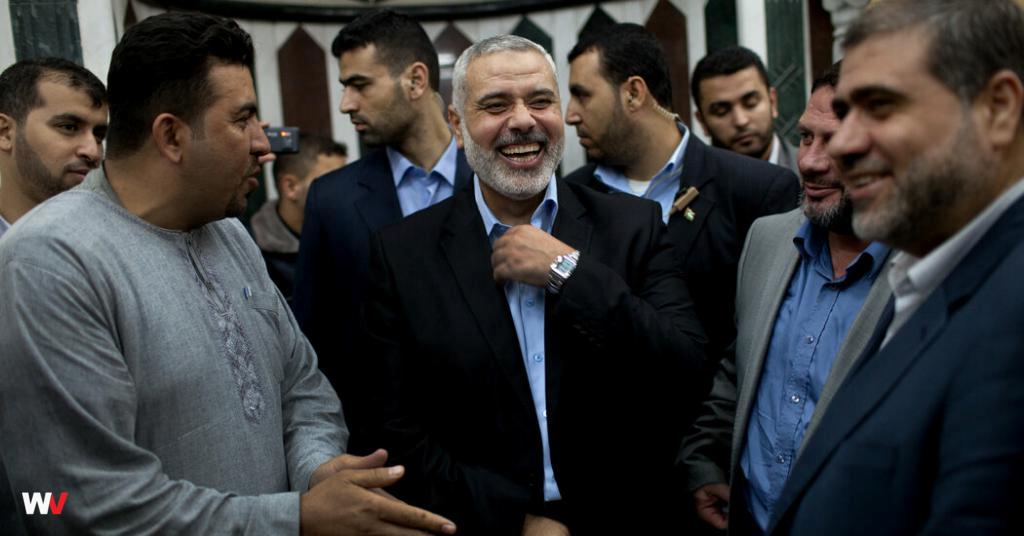
Ismail Haniyeh was the top figure managing Hamas’s international relations and one of the group’s most recognizable faces worldwide. From his base in Doha, Qatar, he helped lead Hamas in high-stakes negotiations for a cease-fire in Gaza, and he delivered fiery speeches broadcast throughout the Arab world.
But his killing in Iran, for which Tehran and Hamas blamed Israel, is unlikely to destabilize Hamas in the long term, analysts say, noting that the group has recovered from past assassinations of political and military leaders.
“His assassination is a major blow,” Ibrahim Madhoun, an Istanbul-based analyst close to Hamas, said in an interview. But, he added, “Hamas has faced this situation in the past” and “came out of those scenarios stronger.”
The long list of Hamas leaders killed by Israel includes Ahmed Yassin, Hamas’s founder and spiritual leader, in 2004; Salah Shehadeh, the founder of Hamas’s armed wing, in 2002; Abdel Aziz Rantisi, a senior Hamas leader in Gaza, in 2004; and Ahmed al-Jabari, a top commander, in 2012.
For decades, Mr. Haniyeh’s name was synonymous with that of Hamas as he served in some of the most prominent positions in the group. He also played a balancing role between Hamas’s military and political wings.
But a reliance by Hamas on its institutions, and not specific individuals, has helped it overcome the killings of its leaders in the past, said Mkhaimar Abusada, a professor of political science from Gaza City.