General
Grant Ujifusa, 82, Dies; Lobbied for Redress for Japanese Americans
He helped sway Ronald Reagan to sign a bill offering cash and an apology to Japanese Americans who had been imprisoned during World War II.
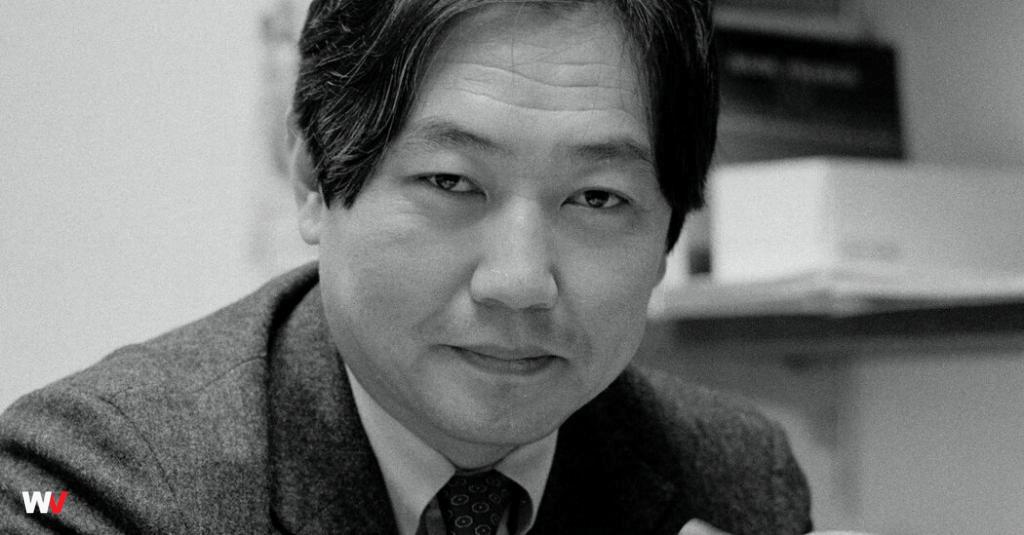
Grant Ujifusa, a citizen lobbyist who pressed President Ronald Reagan to reverse course and sign a bill offering cash and an apology to Japanese Americans imprisoned during World War II — a rare example of reparations paid for an official injustice toward an ethnic minority — died on Oct. 21 in Lafayette Hill, Pa. He was 82.
His son Steven said the cause of his death, in the hospital of his retirement community, was pulmonary fibrosis.
Mr. Ujifusa was a book editor in New York in 1982 when the Japanese American Citizens League, a civil rights group, named him its legislative strategist as part of an effort to pass a bill making reparations to Japanese Americans who had been forced from their homes on the West Coast after the Japanese bombing of Pearl Harbor.
Neither Mr. Ujifusa, who was born and raised in Wyoming, nor his family were subject to the evictions and relocations that affected 110,000 Japanese Americans from California and other states over vague fears that they could become spies or saboteurs for Imperial Japan.
But the Ujifusas lived about 90 miles from the Heart Mountain Relocation Center, one of the inland camps surrounded by barbed wire where detainees, the majority of whom were U.S. citizens, were deprived of their jobs, homes and freedom.
Mr. Ujifusa had been a founding editor of The Almanac of American Politics, an insiders’ guide to the districts, voting records and personalities of every member of Congress. Elders in the Japanese American community believed he was uniquely positioned to win support on Capitol Hill.