

General
Germany to Tighten Border Controls as Anti-Immigrant Parties Gain Votes
The government said it would expand patrols as part of a ‘hard line’ on illegal migration following two deadly stabbings by rejected asylum-seekers and a surge in support for the far right.
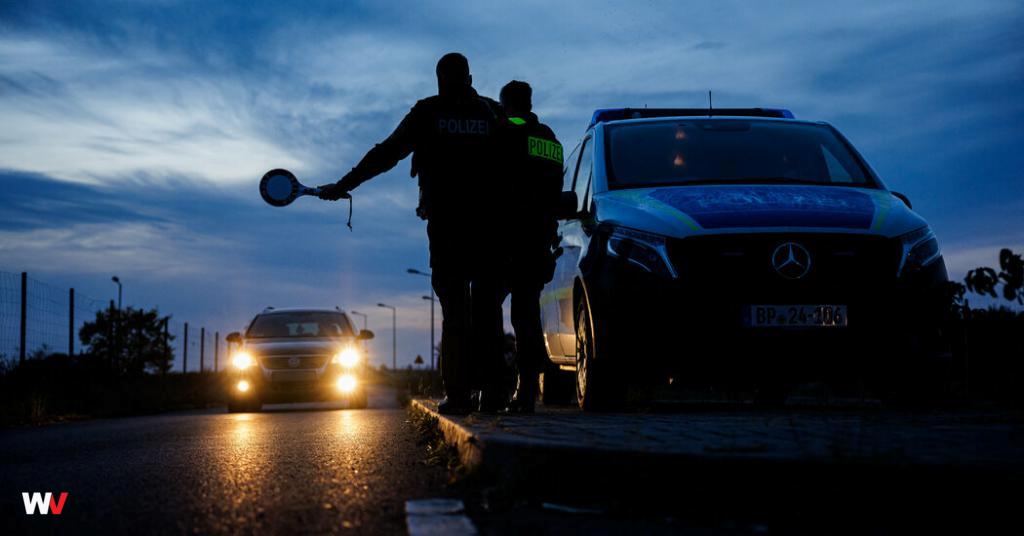
The German government announced Monday that it would be expanding border patrols in a bid to stop illegal crossings, after four people were killed in two attacks by rejected asylum seekers this year and anti-immigrant parties made substantial gains in two state elections.
“We are strengthening our domestic security through concrete action and we are continuing to pursue a hard line against irregular migration,” Nancy Faeser, the country’s interior minister, said in Berlin on Monday.
The move comes amid significant political pressure, not just from the far right — which got nearly a third of the votes in two state elections earlier this month — but from the mainstream conservative opposition party and a general perception that the government has lost control of the issue.
Starting next Monday, the federal police will add patrols on Germany’s normally open borders to France, Luxembourg, Belgium, the Netherlands and Denmark for at least six months. Southern and eastern borders — those with Switzerland, Austria, the Czech Republic, and Poland — have already been patrolled since at least last year. All the countries are in Europe’s Schengen area, which normally allows for free movement across borders without stops.
The stepped-up patrols have included such things as selective traffic stops and passport checks on cross-border trains. The government has said that 30,000 people were turned away at the southern and eastern borders since border patrols there were instituted.
The announcement was another step away from former Chancellor Angela Merkel’s decision in 2015 to let more than a million refugees, mainly from Syria and Afghanistan, in to claim asylum, and the willingness of the current government, led by Olaf Scholz, to take in 1.2 million Ukrainians fleeing the February 2022 Russian invasion.





