General
Dry January Is Driving Me to Drink
The annual ritual known as Dry January is upon us. The monthlong ode to teetotalism started as a British health campaign in 2013, but it is now fully embedded in our American culture of self-branding. There are Dry January infographics, influencers …
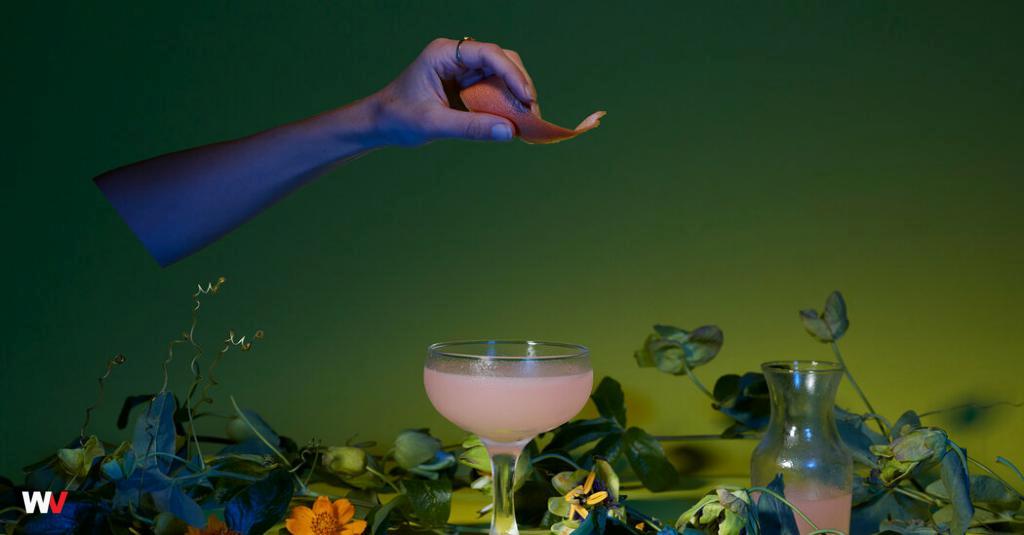
The annual ritual known as Dry January is upon us. The monthlong ode to teetotalism started as a British health campaign in 2013, but it is now fully embedded in our American culture of self-branding. There are Dry January infographics, influencers, ad campaigns and incessant discussion about who is and is not drinking. The science is clear. Abstainers are doing a good thing for their health. I am happy for them. Still, despite a marked decline in my own taste for alcohol, I am not joining them.
Some of my reasons are petty. I don’t like cute social media campaigns and I cannot stomach self-righteousness about consumer choices. Do or do not, as Yoda might say. But please shut up about it, as I definitely would say.
Some of my reasons are deeper. Anything that becomes popular has politics. Dry January takes a choice and compels people to talk about it, to proselytize it, and ultimately to performit. I’m sure people think they perform going dry for all the good reasons. To let others know they are not alone. To fight back against insidious drinking culture. But what we mean to do and what we end up doing can be two different things.
If Dry January were just temporary teetotalism or total abstinence, it would be innocuous. But consumer-driven health campaigns that get this kind of traction do not happen in a vacuum. A broader modern temperance movement promoting “clean” living traffics in moral superiority and old racist ideas. That history is unavoidable, but today’s version of “the lips that touch liquor shall never touch mine” also reflects our self-defeating politics of individuality: Cutesy individual solutions cannot solve big social problems, like alcoholism or cancer.
I’m not talking about sobriety here. I have spent plenty of time with relatives who struggled to get clean in hospital wards and recovery programs. I lost my dearest father figure to alcoholism. Addiction is a disease, and it takes a strong person in a strong community to build a sober life in the face of it. That’s why I don’t like to think of myself as being sober when I pass on a cocktail. Sobriety without addiction feels like stolen valor.
Whatever they call it, people who choose not to drink have new ammunition. Surgeon General Vivek Murthy is calling for more strident health warnings on alcohol. The medical community has at least partially challenged the long-held idea that there is a “healthy” amount of drinking — a couple of glasses of red wine and the occasional spirit no longer seem like good bets for longevity.