General
Don’t Let the A.I. Optimists Fool You
More from our inbox: Withdrawing From W.H.O.: A Bad Health MoveThe Voices of 10 Children Amid the L.A. FiresA Candle in the WindowCredit…Photo Illustration by Maria MavropoulouTo the Editor: Re “A.I. Will Empower Humanity,” by Reid Hoffman …
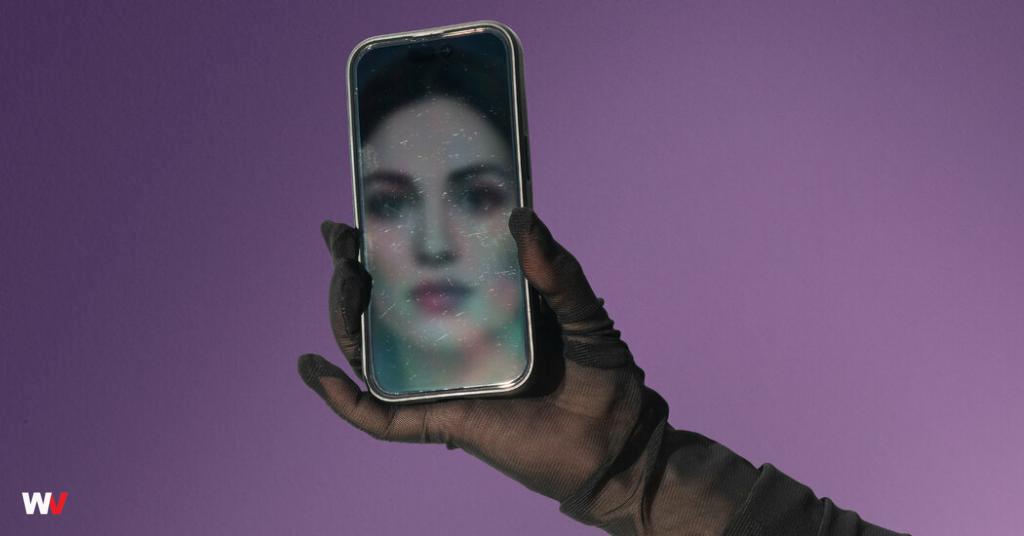
More from our inbox:
- Withdrawing From W.H.O.: A Bad Health Move
- The Voices of 10 Children Amid the L.A. Fires
- A Candle in the Window

Credit…Photo Illustration by Maria Mavropoulou
To the Editor:
Re “A.I. Will Empower Humanity,” by Reid Hoffman (Opinion guest essay, nytimes.com, Jan. 25):
Mr. Hoffman is whistling past the graveyard when he airily dismisses the dystopian potential of artificial intelligence that, as he proposes, will have access to so much of our personal data that it knows us better than we know ourselves.
In the hands of a totalitarian regime, A.I. that analyzes, as Mr. Hoffman writes, “anything — or everything — you do on your PC, phone and other devices” can easily identify dissenters and activists. His vision will constrain liberty in subtler but no less pernicious ways: Mr. Hoffman celebrates A.I. that will tell us to play video games rather than go for a walk, or avoid buying a book we might not read.
I do not welcome A.I. that enables increased government surveillance and oppression, eliminates chance meetings on the street that might alter my life, or dissuades me from discovering a book that opens my mind to something unexpected and wonderful.
Daniel Gerwin
Los Angeles
To the Editor:
Although Reid Hoffman acknowledges the growing concerns regarding the potential harms of A.I., his argument to better appreciate the technology’s benefits and risks is wholly unpersuasive.
Note that Mr. Hoffman doesn’t deny that Big Tech can or will use A.I. in manipulative or harmful ways. He doesn’t even argue against such irresponsible uses. Instead, we should simply feed large amounts of sensitive personal information into the models to enjoy their personal insights and images that may or may not be accurate or even sane? He also avoids mentioning that most of A.I.’s benefits will likely accrue to its investors, like him, while most risks will likely be borne by unwitting consumers and those “disrupted” in the labor market.
The U.S. needs a sober discussion of how to stay globally competitive with A.I., but in a socially responsible manner, with firm guardrails. Apparently, Mr. Hoffman’s financial stake in OpenAI clouds his objectivity to contribute to that discussion.