

General
Discovering Maastricht’s Hidden History, Underground
Deep beneath the Dutch city lie vast subterranean spaces that have served as art canvases, air raid shelters and a strategic command center.
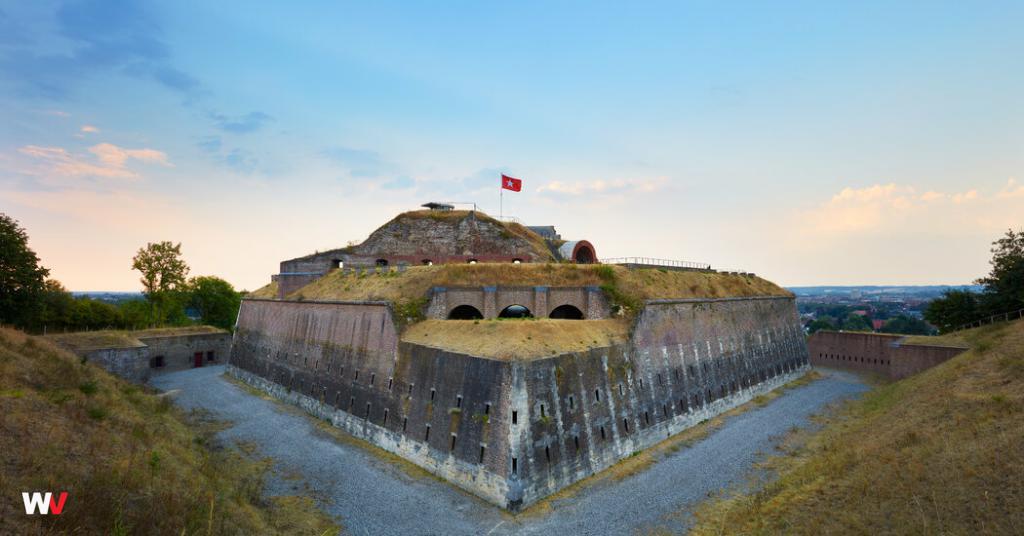
Travelers know Maastricht, tucked along the southern border of the Netherlands, for its cobbled streets, stately 17th-century townhouses and the remnants of its fortifications, including bastions, towers and medieval gates. But some of the city’s most eye-catching locations are underground.
These subterranean sites are among the roughly 500 quarries scattered throughout Limburg — the hilly region of the Netherlands that’s home to Maastricht — and Wallonia, in neighboring Belgium. There is evidence of mining activity here dating to Roman times and the underground limestone quarries have been in use since around 1300.
Long after limestone ceased to be cost-effective as a building material — the Maastricht quarries were fully abandoned in the 1920s — these sites have taken on new roles. During World War II, some served as air raid shelters for the local population and artistic treasures from Dutch museums.
“The only thing all these structures have in common is that they’re underground,” explained Jos Notermans, a member of the Menno van Coehoorn Foundation, which helps preserve the Netherlands’ old fortification systems. “They each have their own story and characteristics,” he added.
Notermans has long been drawn to the world beneath Maastricht and its environs. “Like a lot of youth in Maastricht I was attracted by the dark underground corridors. I didn’t do any mischief, but I started studying,” he said in a phone interview.
He isn’t the only one fascinated by the area’s subterranean features. According to the SOK, a study group affiliated with the Royal Society of Natural History in Limburg, there is evidence of guided excursions through the region’s quarries dating back to the 17th century, at least.





