

General
Conversations With Murray Sinclair
Thoughts from the former head of Canada’s Truth and Reconciliation Commission, who was also a former senator and the first Indigenous person in Manitoba to become a judge.
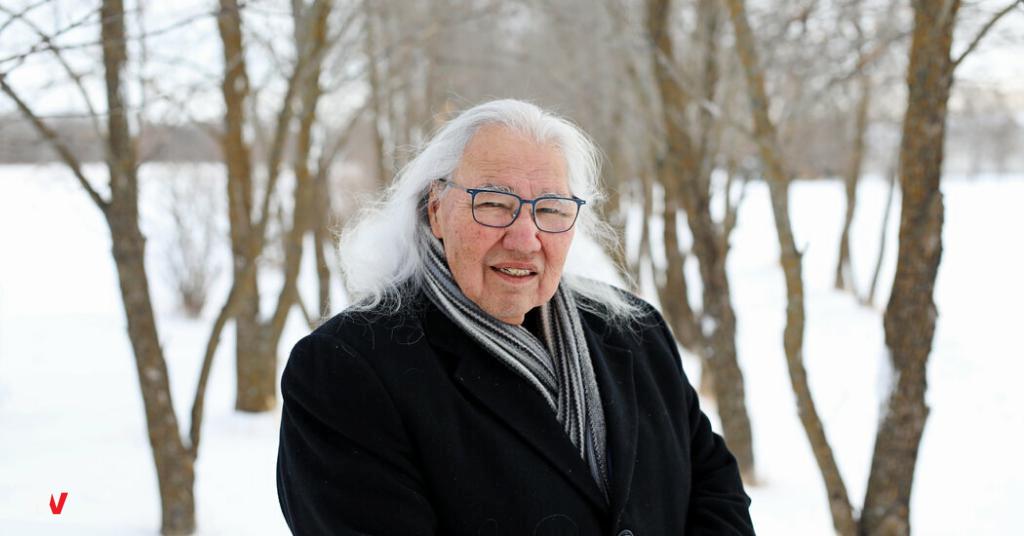
A national memorial service this week honored the life of Murray Sinclair, the first Indigenous person to become a judge in Manitoba and the former senator who became a national figure through his leadership of the Truth and Reconciliation Commission of Canada from 2009 to 2015.
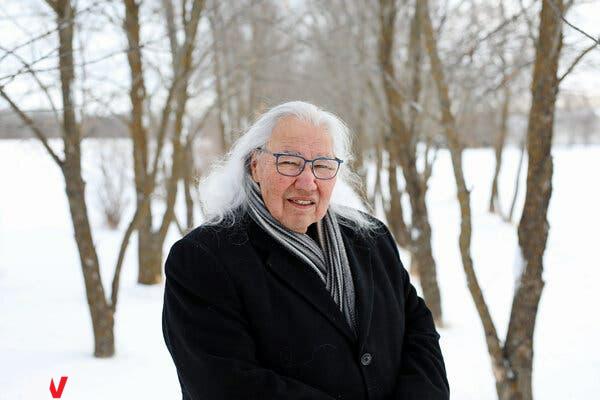
Murray Sinclair at his home north of Winnipeg in 2021.Credit…Tim Smith for The New York Times
At the height of the pandemic in 2021, I interviewed Mr. Sinclair several times for a profile that was published around the time that he stepped down from the Senate. We also spoke later that year after the Tk’emlups te Secwepemc First Nation had announced that a ground-penetrating radar survey had found signs that 215 people, mostly children, were buried in unmarked graves around the former Kamloops Indian Residential School in British Columbia.
[Read the obituary: Murray Sinclair, 73, Who Reframed Indigenous Relations in Canada, Dies]
[Read the profile: He Almost Quit the Law. Instead, He Reset Canada’s Indigenous Dialogue.]
Here are a few snippets from those conservations that don’t appear in either the obituary or the profile. They have been edited for clarity and length.
Mr. Sinclair’s mother died when he was just a year old, and he and his siblings were raised by their grandparents, Jim and Catherine Sinclair, and their six aunts. He told me that at a young age, his grandmother had been sent to a Roman Catholic convent that sat next to the residential school where her sisters were pupils:
She was basically captive in the convent, which was not unusual for Catholic girls who were placed in convents. You don’t get to see your family until you become a nun.





