General
Colleges Have to Be Much More Honest With Themselves
Leaders of American higher education have largely reacted to the Trump administration’s rhetorical and financial assaults by locking down in a defensive crouch. That is understandable given the administration’s view of universities, which JD Vance …
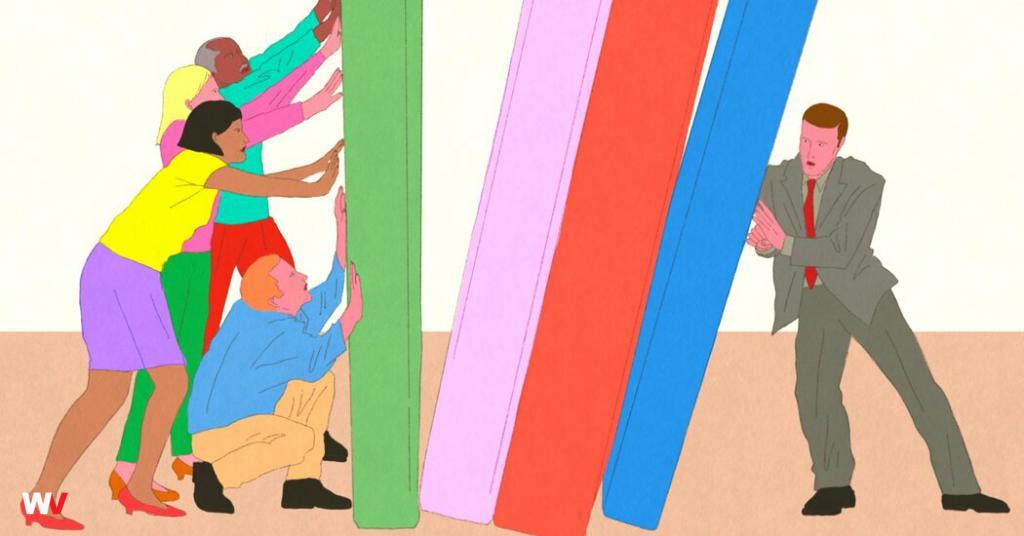
Leaders of American higher education have largely reacted to the Trump administration’s rhetorical and financial assaults by locking down in a defensive crouch. That is understandable given the administration’s view of universities, which JD Vance once called “hostile institutions,” and its apparent admiration of the Hungarian strongman Viktor Orban’s takeover of higher education. But there will be scant room for American higher education to tell its story of opportunity, transformation and discovery as long as colleges and universities deny what many of us know but few will say: Our critics have a point.
I worked in Democratic politics before my second career in higher education. Many ideas commonly espoused on the academic left would have been considered bizarre in the Democratic mainstream, assuming they could be understood at all. As a sector, higher education is considerably left of the American public, a perspective often expressed in language that is less offensive than it is incomprehensible.
We decry state censorship while ignoring a comparable threat to free expression on campuses: the crushing pressure inside many colleges and universities to conform with dominant political views. This pressure is hardly new. But the outrage emanating from campuses about Trump administration policies places our lack of self-awareness about longstanding dynamics within higher education in sharper relief.
That does not mean government interference in higher education is the answer, especially if it is surgically targeted to impose policies outside the jurisdiction of federal law. Still less does it justify using law enforcement to detain and threaten to deport foreign students in cases where there are vague charges or no charges at all.
But the fact that a physician recommends an imprudent treatment does not mean the underlying diagnosis is wrong. The portrait of college campuses as places suffused with one-sided ideology may be a caricature. But a caricature is an exaggerated portrait of something real. Recognizing that underlying reality would better position colleges and universities to defend our independence.
Colleges and universities are right to invoke academic freedom as an essential bulwark against government interference. But it is difficult not to greet this opportunistic defense of academic freedom cynically when it is voiced by those who have been indifferent or antagonistic to it when it has been cited by their political adversaries. Many of those who seek the protection of academic freedom today once denounced it as a tool of oppression. Likewise, few sounded this alarm when universities canceled conservative speakers.