General
Colleges Can’t Say They Weren’t Warned
“In the year 2024, in the United States of America, in the State of California, in the City of Los Angeles, Jewish students were excluded from portions of the U.C.L.A. campus because they refused to denounce their faith.” Those are the first words of …
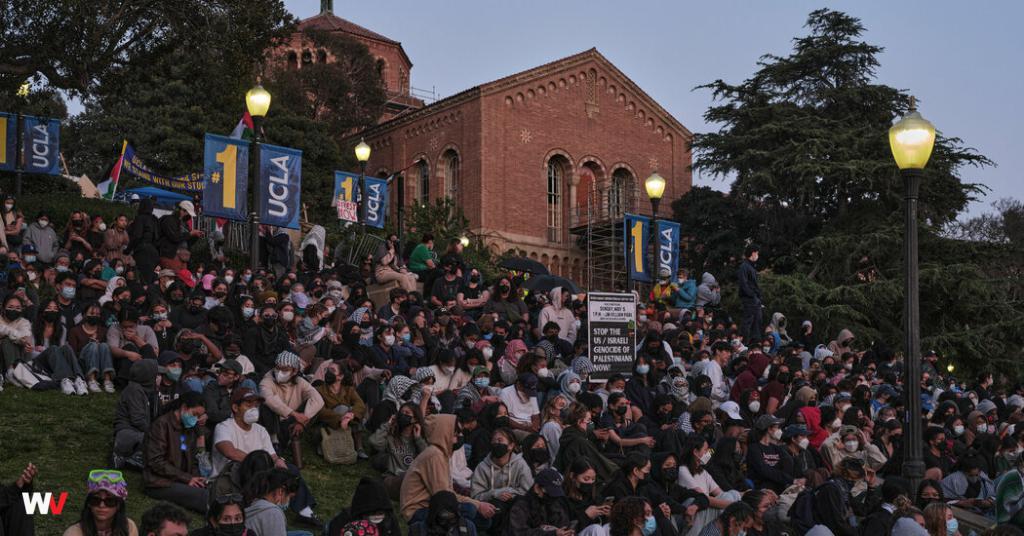
“In the year 2024, in the United States of America, in the State of California, in the City of Los Angeles, Jewish students were excluded from portions of the U.C.L.A. campus because they refused to denounce their faith.” Those are the first words of an angry court opinion by Mark Scarsi, a Federal District Court judge in California.
On Aug. 13, he issued an injunction that requires U.C.L.A. to keep its campus fully and equally open to Jewish students, including Jewish students who believe “they have a religious obligation to support the Jewish state of Israel.”
Scarsi’s decision (which U.C.L.A. is appealing) was one of three court opinions rendered in the past three weeks that collectively send a message to American universities: This year, there cannot be a repeat of the antisemitic harassment we saw on all too many college campuses over the last year. The cases are still in their early stages. Many facts are still contested, and we may face years of litigation before the cases are finally resolved, but the decisions so far teach an important lesson nonetheless.
In the aftermath of the Oct. 7 Hamas terrorist attack on Israel, a number of universities were taken by surprise by the sheer sustained disruption and by the antisemitic animosity on their campuses. They struggled to respond effectively. As the war continues — and as the conflict with Hezbollah escalates on Israel’s northern border — universities can no longer claim to be surprised.
They know what might happen this school year, and this knowledge has legal significance. If they fail to protect the free speech of students or to protect students from antisemitic or Islamophobic harassment, there will be consequences.
The case at U.C.L.A. includes claims by Jewish plaintiffs that they were discriminated against and blocked from gaining access to parts of campus because of their religious support for Israel, a viewpoint the First Amendment protects. The other two cases — one at M.I.T. and the other at Harvard — focused on claims of antisemitic harassment under Title VI of the Civil Rights Act of 1964.