

General
Brian Ketcham, Effective Foe of Traffic and Smog, Dies at 85
An engineer and influential environmentalist in New York, he fought for bus lanes, bridge tolls and limits on parking, and against wider highways and unfettered car use.
Brian T. Ketcham, an engineer and influential environmentalist who promoted mass transit and favored bridge tolls, bus lanes, limits on parking and other curbs on vehicular traffic in New York City, died on Aug. 21 in Manhattan. He was 85.
His death, in a hospital, resulted from complications of a fall, his son, Christopher, said.
As a New York City official in the late 1960s and early ’70s, and later as a consultant to government agencies and ecological groups, Mr. Ketcham lobbied for improvements in traffic engineering to protect the environment, developed evidence to support their efficacy and in many cases succeeded in having them put into effect.
He established a laboratory in Brooklyn that demonstrated the potential benefits of catalytic converters in reducing emissions from auto tailpipes without affecting fuel efficiency — countering the auto industry’s resistance to federal Clean Air Act standards.
He persuaded New York City officials to reserve lanes of traffic exclusively for buses and was a founder of Transportation Alternatives, a nonprofit group that promotes alternatives to automobile use.
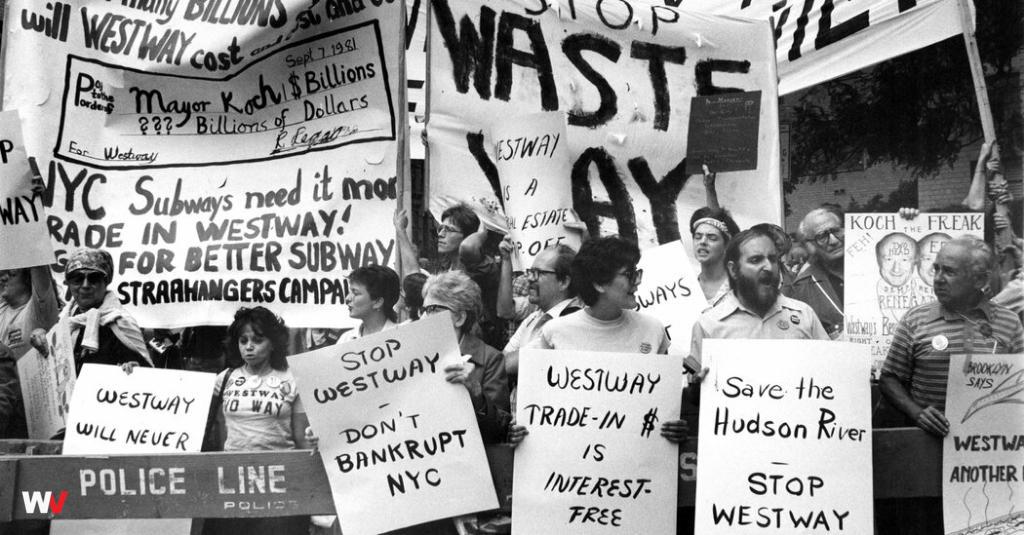
Mr. Ketcham played a foundational role in the ultimately successful campaign by grass roots groups in the 1970s to cancel Westway, a proposal for a federally funded highway that would have run along Manhattan’s West Side from the Battery to 42nd Street, mostly tunneled through new landfill topped by parkland and commercial development.
He was a champion of charging tolls to cross the city-owned East River and Harlem River bridges. That proposal never succeeded, but it was considered a precursor to a more recent plan to reduce traffic and finance subway improvements by charging drivers as much as $15 to enter Manhattan south of 60th Street.





