General
Breaking Up With China Is Hard to Do
It’s not an easy time to be an American multinational company that sells to or buys from China. As the governments of the United States and China butt heads, they’re pressuring companies to take sides. Look at Ford. In January, the heads of two …
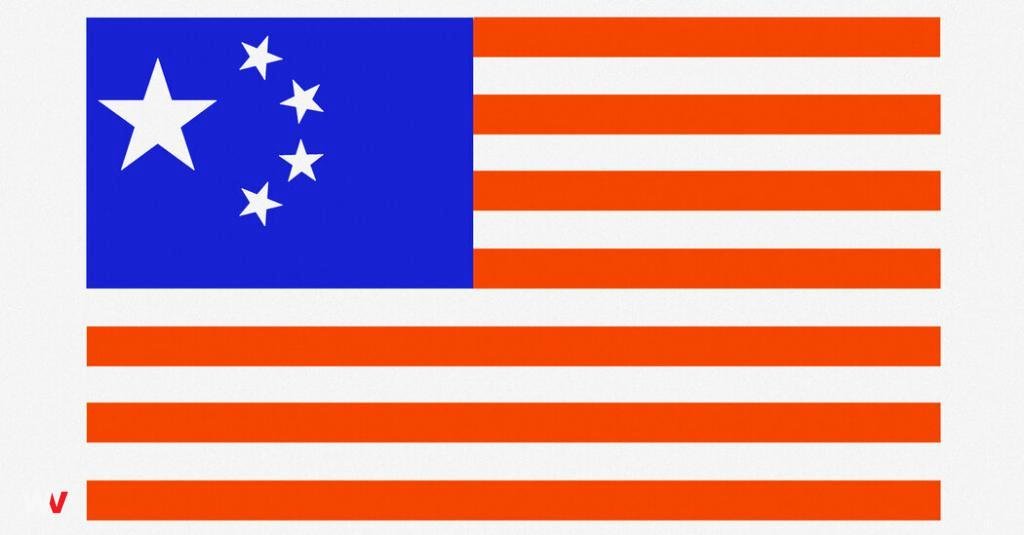
It’s not an easy time to be an American multinational company that sells to or buys from China. As the governments of the United States and China butt heads, they’re pressuring companies to take sides.
Look at Ford. In January, the heads of two congressional committees asked the Biden administration to investigate four Chinese companies that they said were involved in Ford’s planned battery factory in Michigan. The committee chairs claimed that the companies had ties to the Chinese military, the Communist Party, the North Korean government and human rights abuses in China’s Xinjiang region.
Or look at Apple. As this newspaper has reported, “For years, Apple has bowed to Beijing’s demands that it block an array of apps, including newspapers, VPNs and encrypted messaging services.” Apple “also built a data center in the country to house Chinese citizens’ iCloud information, which includes personal contacts, photos and email,” The Times wrote.
The two companies — which once saw business with China as a major bright spot — are repeatedly forced to scramble to explain. Ford, for example, told Reuters it follows U.S. government regulations “across our business.” Apple C.E.O. Tim Cook talks up the company’s Americanness: “I know that a company like Apple could only come from America — and we are as committed as ever to giving back to our great country,” he said in Arizona in 2022.
An analysis released Monday by Strategy Risks, a 12-person business intelligence company focused on relations with China, lists Ford first and Apple third in a ranking of exposure to China among the 250 biggest publicly traded firms in the United States. (Second on the list is Carrier Global, the heating, ventilating and air-conditioning company.) Other analysts might rank the companies lower. You could make a case that Tesla, ranked fourth by Strategy Risks, is more exposed than Ford, Carrier or Apple. But the publication of the list nonetheless invites a look at the China strategies of two of America’s most famous companies.
The question that bedevils American C.E.O.s is how close to get to Chinese frenemies: companies that can be both friends as partners and enemies as competitors. The Chinese market is lucrative, but American companies that have entered it have given the Chinese valuable intellectual property — sometimes willingly, sometimes not.