General
Anson Rabinbach, Leading Historian of Nazi Culture, Dies at 79
He demonstrated that fascism had its own intellectual roots and showed how ideas, theories and an antisemitic “ethos” influenced German culture and policymaking.
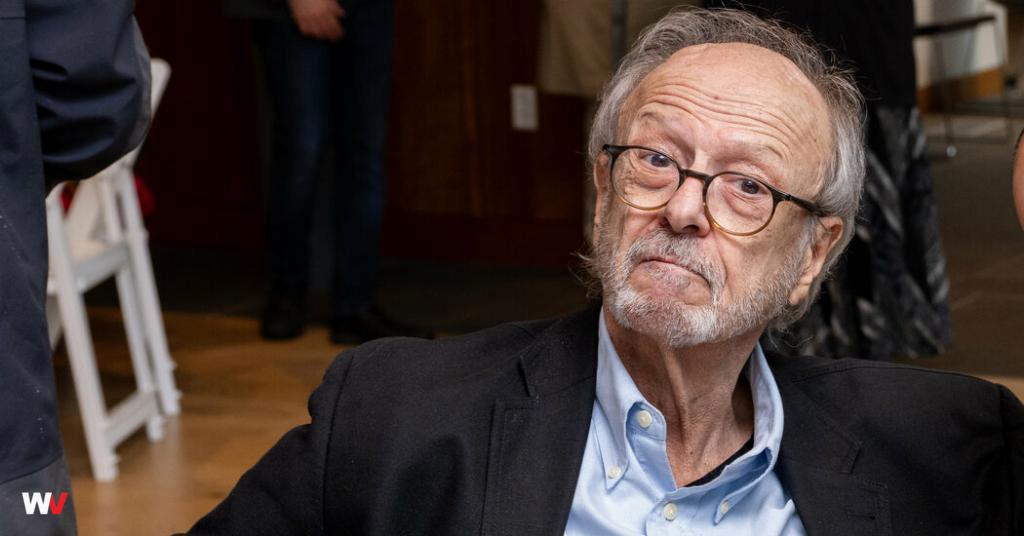
Anson Rabinbach, the hardscrabble son of radical New York garment workers who paid his own way through college to become one of the world’s leading experts of the Nazi era, died on Sunday in Rome, where he was giving a lecture. He was 79.
His ex-wife, Jessica Benjamin, said the death, in a hospital, was from complications of a heart attack.
Professor Rabinbach (pronounced RAB-in-bock) was among several young scholars in the early 1970s who attempted to bridge the gap between social history and the often abstruse world of intellectual history, especially in the realm of 20th-century Europe.
Following on the groundbreaking work of his mentor at the University of Wisconsin, George Mosse, Professor Rabinbach argued that Nazism was fueled not by a single brute ideology but rather by a loose coalition of ideas, sometimes in competition but united by a vague “ethos” that included violent antisemitism.
“He took seriously that Nazism was a cultural revolution,” Jeffrey Herf, a historian at the University of Maryland, said in an interview.
Such a position put Professor Rabinbach at odds with many older historians of modern Europe, not to mention the intellectual climate in Germany, which was still years away from grappling with the true meaning of the Holocaust. The rise of the Third Reich, many believed, was driven by economics and politics; ideas were irrelevant.