
General
Angela Merkel Tells Us What She Really Thinks
In her memoir, the former German chancellor reflects on her political rise and defends her record as the outlook for her country turns grim.
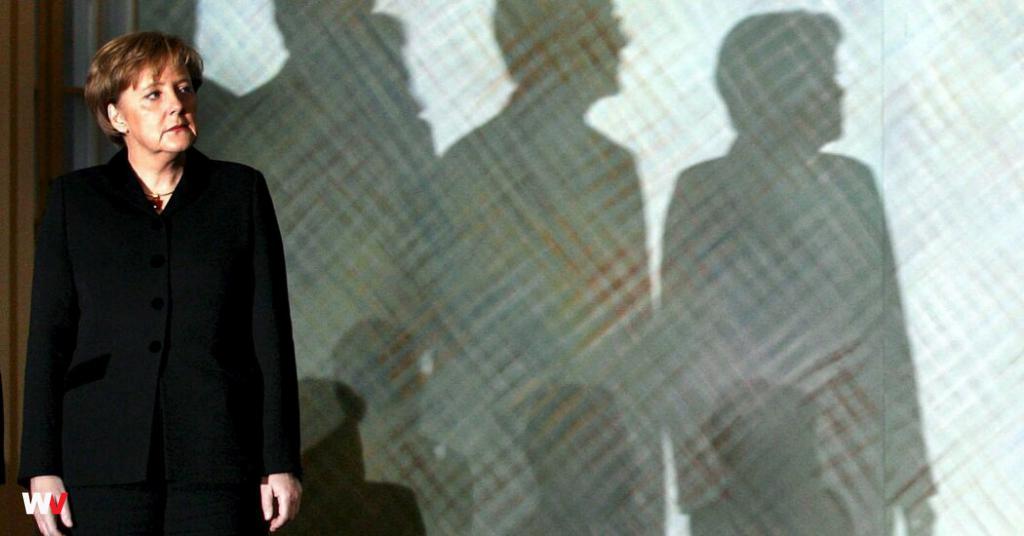
FREEDOM: Memoirs 1954-2021, by Angela Merkel with Beate Baumann
“Never explain, never complain,” is a maxim supposedly espoused by the British royal family. As Angela Merkel writes in her exhaustive yet surprisingly fast-paced autobiography, “Freedom,” it also became a phrase that she would repeat to herself during her 16 years as German chancellor, from 2005 until she stepped down in December 2021.
Readers of “Freedom” might be surprised that Merkel brings up this English dictum not in a discussion of the consequences of a fraught policy decision, though there are many in this 709-page book, but in response to the bullying microaggressions of the Russian president Vladimir V. Putin, who on one occasion in 2007 brought his Labrador to a press-filled meeting with Merkel, even after his staff was told that the chancellor had a phobia of dogs. (She was bitten by one in 1995.) “Stay calm, focus on the photographers, it won’t be for long,” she recalls telling herself.
The episode also serves as an unintended parable, perhaps, of the way Merkel’s staid disposition, cultivated through her political coming-of-age in Germany’s buoyant 1990s, seemed more and more ineffectual as Putin and other illiberal leaders proliferated across the continent.
Despite her favorite motto, “Freedom” does offer something like an explanation of the countless decisions that Merkel made in response to the series of crises that hit Germany during her long stay in office. Many observers have noted that, after the catastrophic demagoguery of the Third Reich, frankness and a steady hand have often been assets in German politics. She was so popular when she left office that the campaign to replace her was essentially a contest between candidates to see who could emulate her circumspect manner the best.
Yet, in the three years since, Germany’s reliance on increasingly authoritarian countries — Russia for energy, China as a trading partner — and, in a different but, especially now, worrisome sense, on the United States for defense, has left the nation in a vulnerable position.
Germans have begun to re-examine the Merkel era with a much more critical eye, and the formerly quiet chancellor has felt compelled to speak — re-emerging, after a long period of relative silence, in the pages of “Freedom” with the help of Beate Baumann, her co-author and closest collaborator since 1992. For the English edition of “Freedom,” Merkel, ever the consensus builder, has also employed no fewer than eight translators, who somehow manage not to get in one another’s way as they present the German leader’s innermost thoughts and feelings.