
General
After the L.A. Fires, a New Menace Lingers
In the end, President Trump’s ominous visit to California’s new ghost towns was an anticlimax, his tarmac photo op with Gov. Gavin Newsom and the rambling news conference that followed just two more beats in the familiar pattern of post-disaster …
In the end, President Trump’s ominous visit to California’s new ghost towns was an anticlimax, his tarmac photo op with Gov. Gavin Newsom and the rambling news conference that followed just two more beats in the familiar pattern of post-disaster normalization — partisan finger-pointing, wonks crunching the insurance numbers, the immediate arguments about how to rebuild. As eagerly as Americans crane their necks to behold disasters, we also like to quickly zoom past them. And for many days, as Californians distracted themselves with related arguments, the air was still thick and acrid and full of foreboding, looking like both a heavy cloud of unprocessed trauma and a toxic health menace that put many masked Angelenos in mind of East Palestine, Ohio.
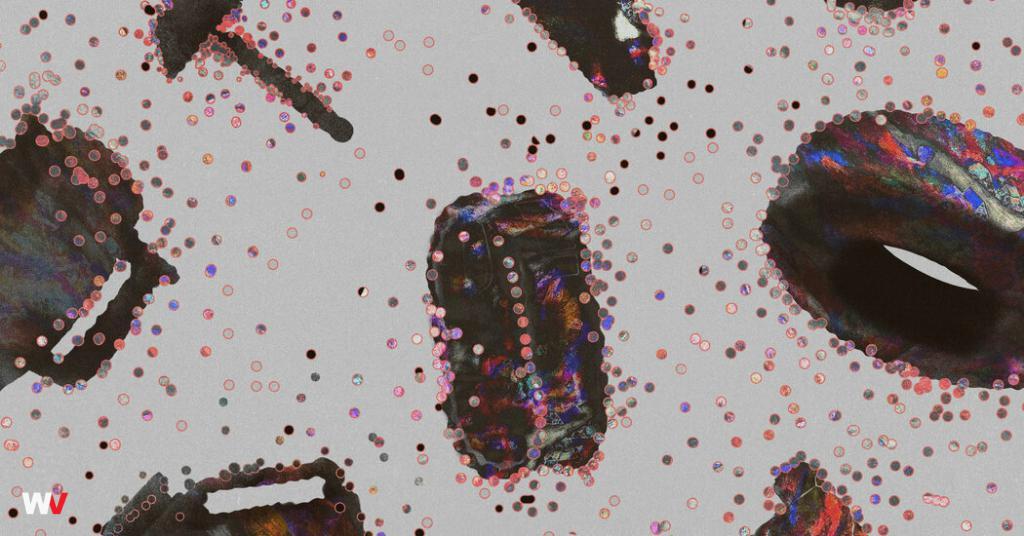
“Everything we burn, we breathe,” I wrote a few years ago, in a long essay on the catastrophic health effects of air pollution, mostly the industrial kind, which causes perhaps 10 million deaths a year. Wildfire smoke can be even worse for you, especially because it can briefly smother whole communities with blankets of toxic particulate matter. But the return of the urban firestorm augurs not just a new age for fire but also a new one for air. It’s one thing to worry about breathing in smoke, however thick, produced when the wood of wildland forest burns through. It’s another to consider that you are inhaling an aerosolized city.
The phrase “urban firestorm” has terrified me since I first heard it, from the climate scientist Daniel Swain, who was spooling out for me a bleak recent history — Fort McMurray, Santa Rosa, Paradise, Boulder — that’s been extended in the years since: to Lahaina and now, even more spectacularly, to the Palisades and Altadena.
But that terror was also circumscribed, in a way: a nightmare of direct attack, with fire rampaging through gridded blocks, threatening modern homes built long distances from flammable forest and destroying much of what I’d come to take for granted about the impenetrable safety of life in the cities of the Anthropocene. I didn’t realize, at first, that incinerating an entirely different kind of kindling would also produce a very different kind of airborne toxic event. “If you’re ever wondering why wildfire smoke is so bad for you,” one observer put it memorably on BlueSky, “it’s because it contains things like ‘an entire bicycle.’”
At least for a time, the air above Los Angeles also contained the detritus of more than 10,000 homes. Somewhere in there, in the air being breathed into human lungs, was everything else that had been vaporized by flames: furniture, clothing, electronics and automobiles, cribs and bibs and whole nurseries full of toys, record collections and libraries, stoves and refrigerators and microwaves, computers, tennis rackets, video game systems, sneakers and loafers and pumps, cosmetics and toiletries and razors and tampons, watches and jewelry and remote control cars, lamps and lampshades and rugs and yoga mats, Pelotons and treadmills, sports bras and free weights, gardening equipment and spare tires, the ashes of loved ones and whole shelves full of photo albums, Legos and ladders and whole washers and dryers, full bottles of detergent and dish soap and Pine-Sol and paint, pantries full of dry foods, blankets and mattresses, heating pads and stuffed animals, street signs and power lines, weather vanes and mailboxes, garbage cans of various sizes and shapes, not to mention everything held inside them.
When we are forced to itemize tragic horrors like these, we tend to focus on all that has been lost — the lives, above all, but also the homes themselves, the memories they sustained, the sense of belonging and the illusion of permanence. But before everything is lost it first becomes fuel. An awful lot of it gets breathed.