

General
A Reluctant Satirist Takes On the Bomb
About two years ago, when Armando Iannucci began adapting “Dr. Strangelove” for the West End, he didn’t think the 1964 movie had many direct parallels to today. The full title of Stanley Kubrick’s film is “Dr. Strangelove or: How I Learned to Stop …
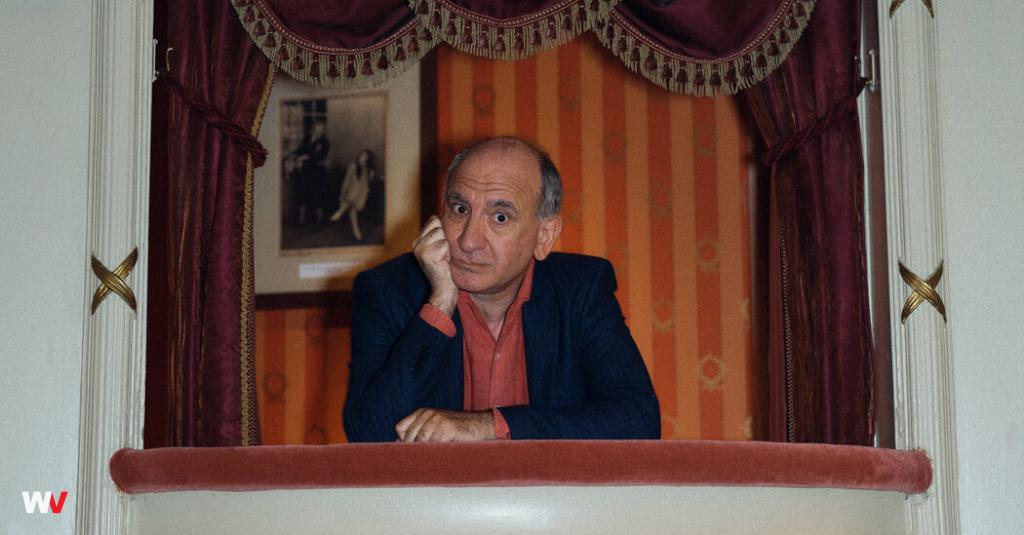
About two years ago, when Armando Iannucci began adapting “Dr. Strangelove” for the West End, he didn’t think the 1964 movie had many direct parallels to today.
The full title of Stanley Kubrick’s film is “Dr. Strangelove or: How I Learned to Stop Worrying and Love the Bomb,” and it tells the story of a U.S. Air Force general who goes rogue and orders a nuclear strike on the Soviet Union. In the Pentagon’s war room, an ineffectual president (Peter Sellers) dithers, blusters and flails, as he tries to avert World War III.
In the 1960s, the movie became a much-debated hit — a “nightmare comedy,” as Kubrick called it — at a moment when nuclear annihilation was a common fear. Yet for Iannucci, who created the TV series “Veep,” the movie’s contemporary relevance was, at first, more metaphorical: The failure to stop atomic catastrophe was akin to society’s handling of climate change.
Then, the news took over.
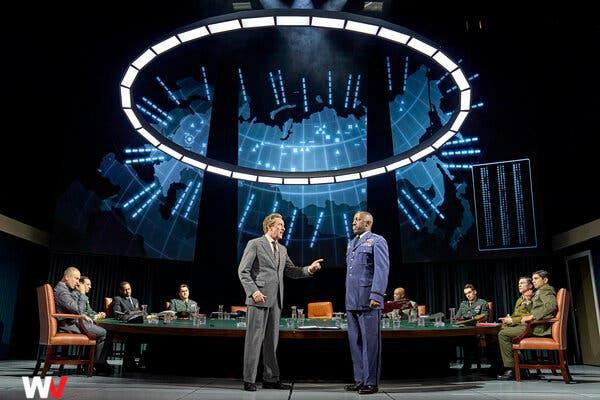
Steve Coogan, left, plays four roles in “Dr. Strangelove,” including the president of the United States in this scene.Credit…Manuel Harlan
As Iannucci and the director Sean Foley worked on the adaptation, which opens at London’s Noël Coward Theater on Oct. 29 and runs through Jan. 25, President Vladimir V. Putin of Russia floated the idea of nuclear conflict with the West over its support of Ukraine. China has boosted its nuclear arsenal. And violence in the Middle East has renewed fears around both Iran accelerating its nuclear program and Israel pre-emptively striking Iran’s nuclear facilities.
Suddenly, Iannucci recalled in a recent interview in a grand back room of the Noël Coward Theater, his “Dr. Strangelove” felt like “a kind of literal reminder of a real doomsday.”





