General
A Rare but Dangerous Mosquito-Borne Virus Is Changing Routines in Massachusetts
Ten communities are at high or critical risk from Eastern equine encephalitis, which killed a man in New Hampshire this month and sickened two people in Massachusetts and Vermont.
Sue Ryan, who lives in Plymouth, Mass., is taking no chances.
Plymouth is one of 10 communities in Massachusetts that health officials consider to be at high or critical risk from Eastern equine encephalitis, a rare but dangerous mosquito-borne disease that killed a 41-year-old man in New Hampshire this month. And Ms. Ryan is among those who have adjusted their routines accordingly.
“I’ve changed everything,” Ms. Ryan, 61, said on Wednesday morning as she visited a playground with her two grown daughters and three grandchildren. “I don’t go out on my patio after dark. I’ve stopped gardening. I will be obeying the rules until further notice.”
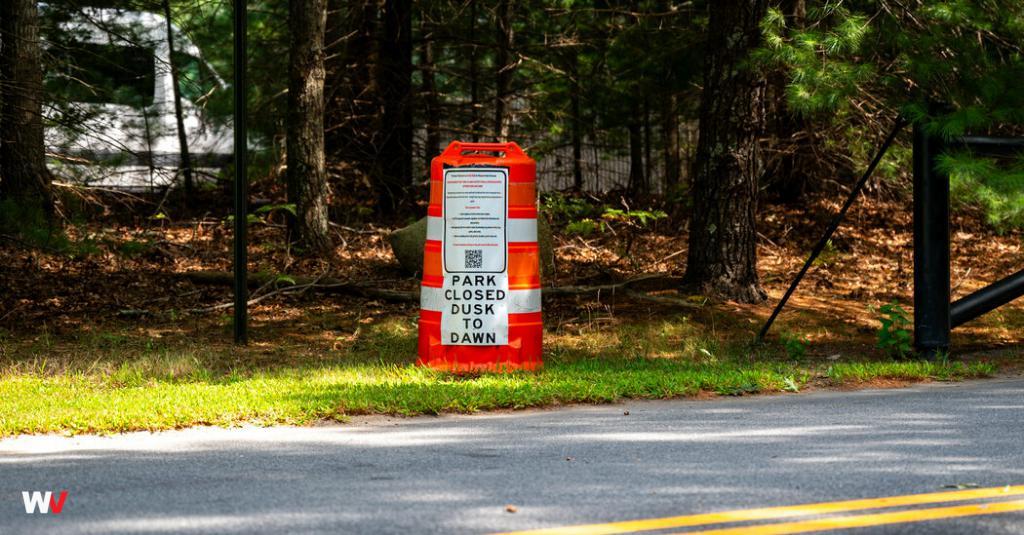
Plymouth’s parks, swimming ponds and playgrounds still thrummed with life on Wednesday. But Ms. Ryan was hardly the only resident who said she had begun taking precautions and heeding the advice of public health officials to stay indoors from dusk until dawn, when mosquitoes are most active.
The virus cannot be passed from person to person. Most people who are bitten by an infected mosquito never even become ill. But for the few who do, the virus can be very serious, leading to brain inflammation, neurological damage, coma or death. There is no treatment.
Southeastern Massachusetts, in particular, has seen its share of severe cases over the years; an outbreak there in 1938 killed 25 people, most of them children. More recently, in August 2006, a 9-year-old boy in Middleborough, Mass., died of the virus, falling into a coma one day after coming down with a headache and a fever.
Some residents of high-risk areas have bristled at government advice to avoid outdoor activities at night, saying they were uncomfortably reminiscent of government lockdowns and mask rules during the coronavirus pandemic.
“The main thing is, we haven’t even seen a case in Plymouth,” said Mike Pimental, 68, who grew up in the town but now spends part of the year in Florida. “And even if you get a case, it’s not a death sentence if a mosquito bites you.”
As students headed back to school this week, the town began closing practice fields at dusk, disrupting some athletic schedules. An announcement that high school football games in Plymouth would be moved to afternoons or weekends prompted pushback, including an online petition calling on the town to keep Friday night games on the schedule.
In Oxford, a town of about 13,000 south of Worcester, a proposed voluntary curfew drew 200 people to a meeting to debate the measure.

The field closures and curfew recommendations are “a little reminder,” Mr. Pimental said, standing beneath the tall pines at Morton Park in Plymouth, “that the government sometimes reaches a little too far.”
Even so, he acknowledged that he had pulled on a coat when he went out to walk his dog the previous evening. All the talk of risk, he said, had “put it in my mind.”