

Fashion
You Don’t Have to Be Perfect to Live Like a Saint
Set aside the notion of flawless miracle workers. Focus instead on their exuberance and compassion, inner balance and commitment to a meaningful vocation.
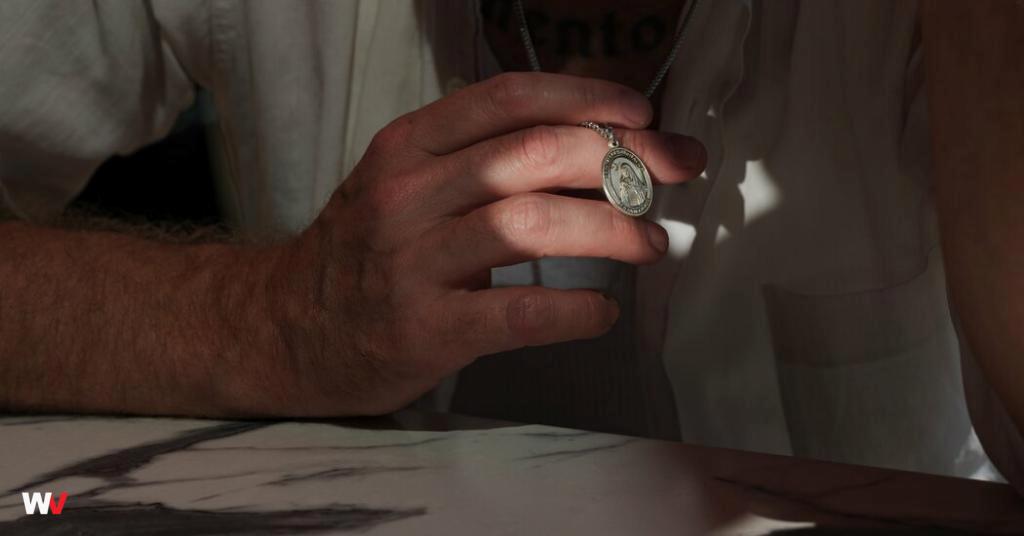
I was young when I first heard the murmurings of a fear that I still carry around with me. It’s rooted in a vision of the world that I do not actually think will come to pass, but that I can’t help picturing every spring. “What if,” the fear will hiss in my ear. “What if this is the year that nothing greens or grows. No grass, no flowers, no leaves on the trees. What if the landscape stays as stripped and lifeless as a body on a cross, as a hideous mirror held up to your soul?”
So, yeah, I’m Catholic. I’m also having a hard year, which might be why the fear arrived early. I was at my desk in the Hudson Valley on a sunny winter day, taking in the desiccated world beyond my window, when the fear crawled out and said, “What if. … ” It’s embarrassing to admit that I’m annually waylaid by this irrational, apocalyptic fear. My fear was a sign of how little hope I had in the prospect that the world would renew itself. Anyway, I shuddered.
Maybe you, too, have an unreasonable fear that is leaching the color from your life. Maybe you remedy this through walking, meditation or therapy. I recommend picking a saint to help you. The “saint” doesn’t have to be a literal, official Catholic one — they can be anyone who rejected a life of maximal self-interest in favor of radical service, someone whose commitment to the rigors and contradictions of doing good in this world can show you how to live in it. My saint is Brother Lawrence, a 17th-century soldier turned Carmelite friar. He had a gift for savoring dull chores, like peeling vegetables and washing pots, which he did for most of his time on Earth.
He and I found each other in “The Saints’ Guide to Happiness,” by Robert Ellsberg. Ellsberg makes a heartfelt argument for setting aside the common view of saints as “flawless people from long ago who performed miracles” or courted martyrdom. There are more than 10,000 names on the Catholic Church’s list of saints. A quick look yields not only irreproachable clerics and martyrs but also dentists, barbers and even a pious pharmacist. For Ellsberg, what makes these men and women interesting is that they are all human beings who suffered like the rest of us but did not wallow in misery. What marks a saint is exuberance and compassion, inner balance and commitment to a meaningful vocation.
Growing up Catholic, I was surrounded by saints — in stained glass, stone and story. Choosing a favorite was as natural for me as picking a favorite baseball player. (Tom Seaver, for the record.) As a young man, I was knocked out by St. Teresa of Avila, a 16th-century nun who broke with the spiritual laxness that she saw around her. She traveled across Spain to found her own Carmelite convents, prevailing on her nuns to live in prayer and penance as reparation for the sins of all mankind. There were no small ambitions for Teresa and her followers.
She was both of this world and an exuberant mystic: When struck by the sensation that the power of God’s love was about to lift her off the ground, she would command bystanders to sit on her and hold her down. Her success made her famous and drew the attention of the Spanish Inquisition. In a fiery letter to King Philip II, Teresa says the accusations of scandal leveled against her would be laughable were they not a “stratagem of the devil.” In the end, she prevailed. She was my kind of hero: shrewdly histrionic and ready for a fight, with enough power that even the pope didn’t want to mess with her.