Fashion
We Were All Just Catching Up to Lorraine O’Grady
Through her writing and performances, the artist helped new audiences to understand the cultural roots of racism and sexism.
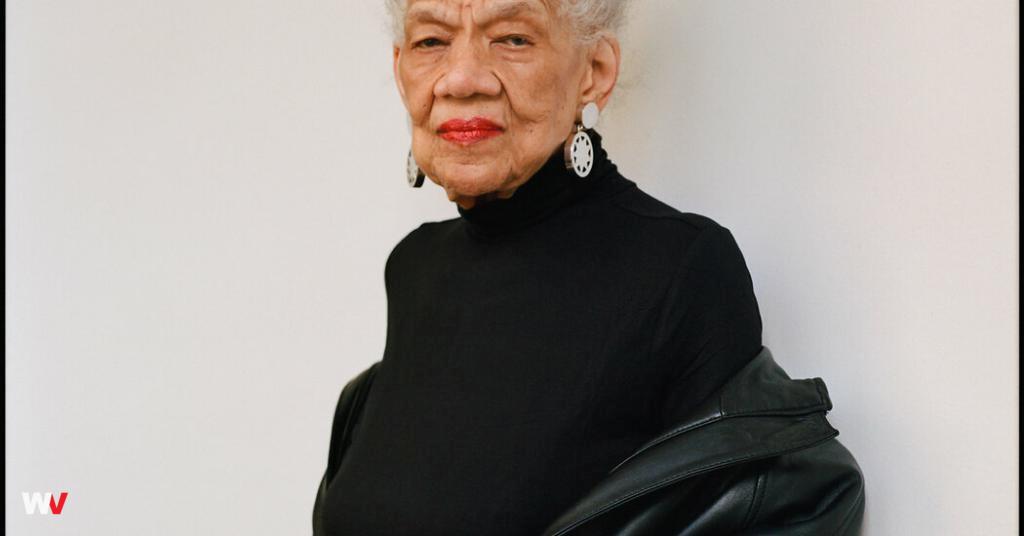
Lorraine O’Grady, the conceptual and performance artist who died on Dec. 13 at age 90, was an inveterate correspondent — you never got a short note from Lorraine, you got the full intensity of her warmth, intellect and inquisitiveness in long missives often sent in the middle of the night, her favored time to work.
But still I was surprised a few years ago, arms deep in her archives, to find that she had made carbon copies of what seemed like every letter she had ever sent from her early 20s until the advent of email — whether to professional contacts, recalcitrant vendors, potential collectors, her relatives, her friends. There were even carbon copies of her breakup notes to old lovers.
Though she didn’t become an artist until age 45, she was confident from a young age that she would one day be considered a genius, no matter what the field. And she knew, too, that her importance would likely be recognized only belatedly, given the way Black women’s contributions were so often overlooked. If she didn’t save all of this stuff, no one else was going to.
When fame finally came, it was for her wide-ranging practice over four decades, her performance work and conceptual photography; her art and music criticism; her critical and theoretical essays on art and culture, race and identity.