

Fashion
The Super-Sampled Band Cymande Made Funk With a Message. It’s Back.
The British group with Caribbean roots stopped performing in 1974. Its slow-rolling comeback is realized on Friday with a new album, “Renascence.”
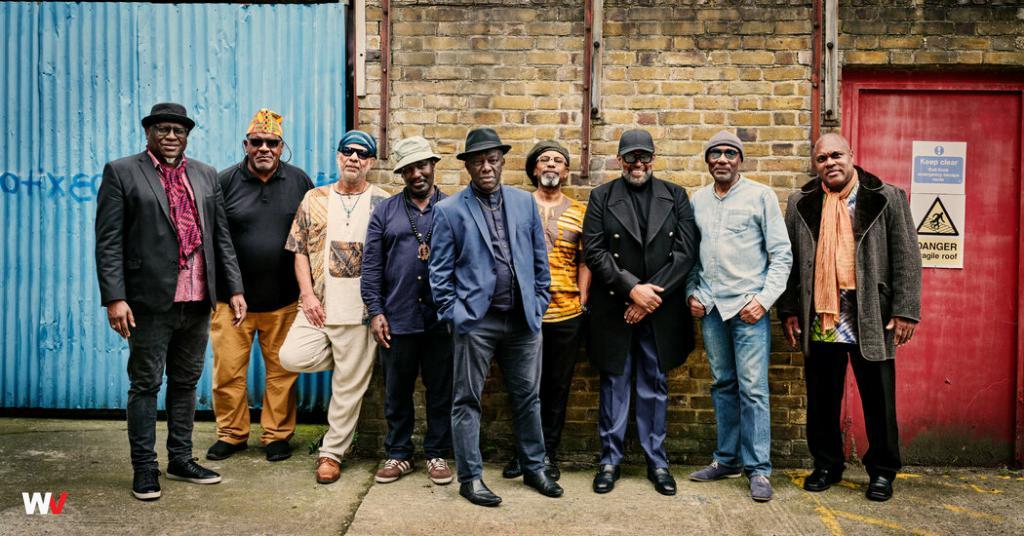
In the late ’70s, when the star hip-hop producer Prince Paul was just 10 years old, he heard a song that stopped him cold.
“Bra,” by a little-known British funk group named Cymande (pronounced “sih-MANH-day”), had become a staple at the New York park parties Paul attended, a place where D.J.s were creating the new art form of hip-hop. “‘Bra’ was one of the first breakbeats I ever heard,” Paul said. “The bass in the track is what drew me first. It hits your spirit so deep, it pierces the soul.”
Small wonder that when Paul became a producer years later, he used the interplay between the pinging bass of “Bra” and its shimmering guitar as the bedrock of De La Soul’s classic 1989 track “Change in Speak.” “Just a one-bar loop was enough to be incredibly impactful,” he said.
He was hardly alone in his discovery. Other artists and producers also began seizing on Cymande samples for records by Gang Starr and the Sugarhill Gang, among others. Over time, more than 40 acts anchored their tracks on the trippy guitar and mysterious bass from another Cymande song, “Dove,” including Wu-Tang Clan, EPMD and, most successfully, the Fugees, who made it the foundation of the title track from their smash album “The Score.”
The band’s bassist, Steve Scipio, didn’t find out about his group’s second proxy life until it reached full boil in the ’90s, when his son, a rap fan, tipped him off. “I had no idea for the longest time,” Scipio, 74, said with a laugh.





