

Fashion
‘The Decameron’ Review: They Take a Holiday. Death Doesn’t.
A loose Netflix adaptation turns Boccaccio’s story cycle into a gleeful satire of class war in plague times.
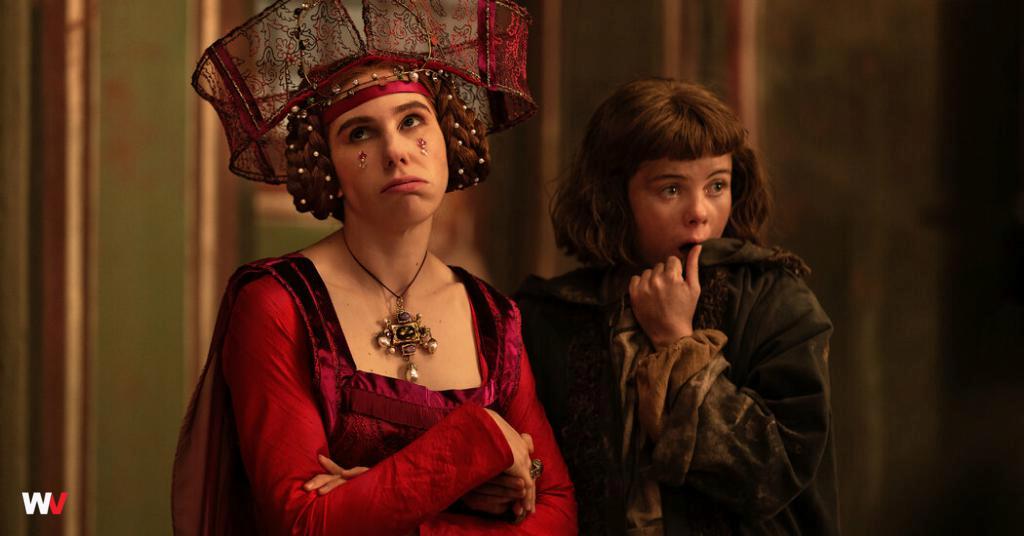
TV audiences have an appetite for a good class-conscious satire of rich people on holiday in a fabulous location — say, a stunning Italian getaway — and the servants who attend them. The new Netflix series “The Decameron” draws on medieval literature to offer a raucous twist on this premise, heightened with the looming threat of bubonic plague.
“The White Lotus,” meet the Black Death.
In the 14th-century work by Giovanni Boccaccio, a precursor to Chaucer’s “Canterbury Tales,” 10 young people flee to a rural estate from disease-ridden Florence, entertaining one another by telling stories both dramatic and raunchy. The 10 tales per refugee, as told over 10 days, makes for a cycle of 100 stories, proving that even before streaming media, creators know how to stretch out material to series length.
The eight-episode Netflix series, arriving Thursday, is a loose adaptation — very loose, like a caftan. It borrows Boccaccio’s character names and setting, with some nods to the source stories. But the creator, Kathleen Jordan (of the gone-too-soon “Teenage Bounty Hunters”), reimagines it as a rollicking social comedy of striving and survival.
Jordan introduces four sets of characters, offered respite at a villa in, as the invitation puts it, “the beautiful, not-infected countryside.”
We meet Pampinea (Zosia Mamet), a noblewoman anxious about being unmarried as “a shriveled-up, 28-year-old maid,” and her perhaps-too-devoted servant, Misia (Saoirse-Monica Jackson); Tindaro (Douggie McMeekin), a sickly and pompous young noble attended by his quackish physician, Dioneo (Amar Chadha-Patel); the devout and secretly randy Neifile (Lou Gala) and her social-climbing husband, Panfilo (Karan Gill); and Licisca (Tanya Reynolds), the eccentric and put-upon handmaiden to the imperious Filomena (Jessica Plummer).
The holiday offers a chance at life, solace and social advancement — especially for Pampinea, who has managed a sight-unseen engagement to the villa’s absent lord. But despite the estate’s gorgeous furnishings and manicured maze gardens, there are deceptions and dangers.





