

Fashion
The Crises Are Simulations, but the Lessons Are Real
The turn-based strategy game Civilization VII emphasizes chaotic transition periods when latent challenges all emerge at once.
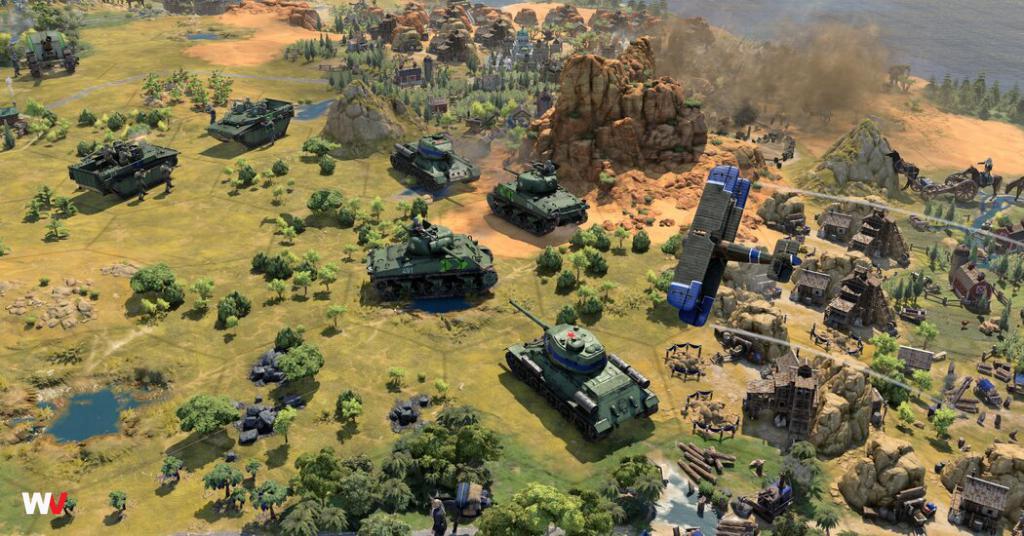
Unhappiness is a dreaded condition in the Civilization game series. Unhappy citizens stop working, stop researching scientific pursuits and, worst of all, start rioting.
In the new Sid Meier’s Civilization VII, which introduces three historical ages and a mounting series of crises during the transitions between them, my ancient Babylonian empire was running smoothly and expanding with ease. Then, suddenly, things struggled to feel cohesive. The game declared that my empire had fractured “as once-loyal settlements seek their own path forward.”
The unhappiness in my cities and towns grew so severe that several outlying settlements began trashing their districts and looking to outside civilizations for support. While I worked at putting out fires started by rioters, my neighbor Napoleon swooped in and quickly conquered one of my towns. This started a territorial war that only deepened the unhappiness of my population. Soon, half my towns were in revolt.
While following your chosen civilization’s path in Civilization VII, from the rough-hewed settlements of the past to the glistening megalopolises of the future, you move through ages that transform not just your technologies, government and civic policies, but also the broader identity of your civilization itself.
With its precipitous rises and falls, Civilization VII, which will be released on Tuesday for PCs, Macs and consoles, is a departure for the series. Although past iterations have had revolts, diplomatic incidents and civic upset, they tend to feel less closely connected to the ways that historical forces can boil over into crisis and conflict.
The violent and chaotic cuts here accurately reflect a world history where many things can happen all at once and often with surprising swiftness. History doesn’t always move forward in the routine, turn-based lock step of the 4X genre (explore, expand, exploit, exterminate) that Civilization popularized. More often, root causes like financial instability, cultural changes and oppressive hierarchies stay below the surface until emerging in a cacophony of war, revolution and natural-disaster-fueled chaos.





