Fashion
Should I Tell My Son That His Best Friend Is Stealing From Him?
The magazine’s Ethicist columnist on the importance of disclosure and trust among loved ones.
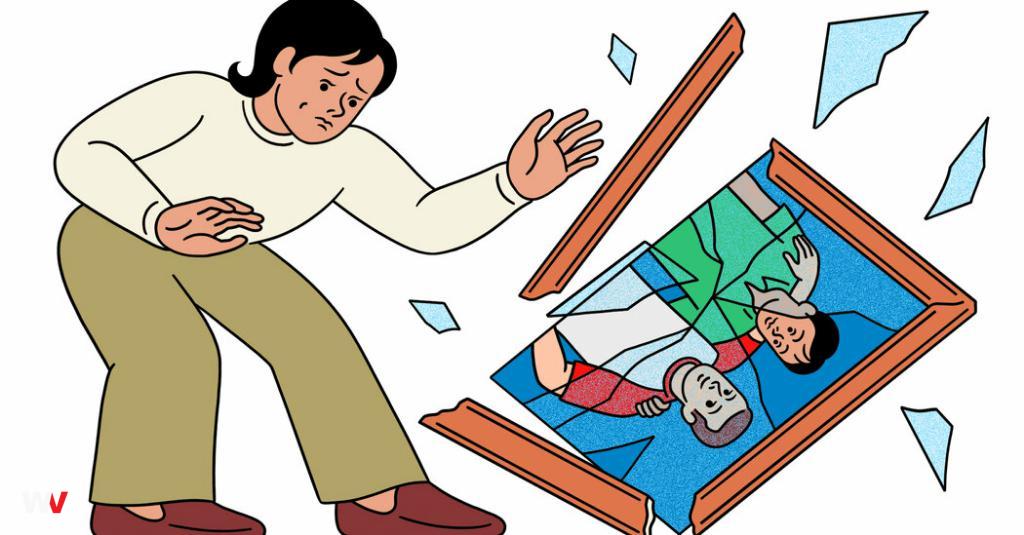
My son is a senior in college. His best friend and roommate for the last four years recently took something from him that was in a hiding place no one knew about except for my son and this friend. When my son confronted him, his friend denied it, only admitting that he took it after another guy confessed to participating in the theft. The friend never really addressed the issue other than to offer a brusque apology. My son was devastated and shocked that someone he considered “as close as a brother” would lie and steal from him. To add insult to injury, this individual comes from an affluent family.
A few months before this incident, something else happened. My son mentioned that the security deposit from a previous apartment they shared was never returned. The check was supposed to be made out to one of the four roommates, and then fairly distributed among the others. I called the company and they sent me a copy of the front and back of the check, which was signed and deposited by the same lying roommate.
My son’s friendship with him has resumed, and revealing this new info would destroy not only his relationship with this individual but with the other roommates who still live together as well. Do I have an ethical obligation to tell my son, or should I let him continue his convivial and peaceful last year of college with this tight-knit group of guys? — Name Withheld
From the Ethicist:
“We inhabit a climate of trust as we inhabit an atmosphere,” the philosopher Annette Baier once remarked, “and notice it as we notice air, only when it becomes scarce or polluted.” While your son’s trusting ways will often serve him well, letting him live in ignorance leaves him vulnerable to someone who may get some perverse satisfaction from taking advantage of him. (Can it really be that the two episodes you happen to know about represent the full extent of his roommate’s betrayals?) The stakes aren’t just instrumental either. Having some sense of an independent reality — being able to navigate complicated relationships in light of the truth — is integral to our agency, and to the possibility of an authentic human existence. The fact that your son is in college, a time for developing independence and adult judgment, makes the situation all the more fraught.
In “The Truman Show,” the title character enjoys the sort of convivial and peaceful existence you’d want for your son, but once the reality dawns on him that he’s living in a staged world, amid staged relationships, he can’t be at peace with those who manipulated him, however benign their intentions. Although your son can regret learning what you have to tell him, he cannot genuinely prefer the deception; the ability to make the choice requires knowing the truth he would be rejecting. Now, suppose your son discovered not only that his supposed friend ripped him off but also that you concealed it from him. Wouldn’t he have reason to feel doubly betrayed?
So share with your son what you’ve learned. You needn’t make any judgments about the false friend — how your son wants to respond is his business. Just don’t pollute the climate of trust between you and your son. It’s easier to recover from the manipulations of a malefactor, I suspect, than from the discovery that someone who should have helped you see clearly chose, instead, to leave you in a fog of comfortable deception.