
Fashion
Review: ‘We Are the Lucky Ones’ Gives Voice to a Generation
This new opera assembles a compassionate, haunting portrait of the middle class that emerged from World War II and considers what they leave behind.
Theaters are never truly dark. In between performances, a simple floor lamp is placed onstage and switched on. It’s called a ghost light, and depending on whom you ask, it’s either a practical safety measure or a way to ward off spirits. Some say it actually welcomes them.
As audience members entered the auditorium of the Dutch National Opera on Friday for the world premiere of “We Are the Lucky Ones,” they were greeted by a ghost light that, true to its history, was open to interpretation.
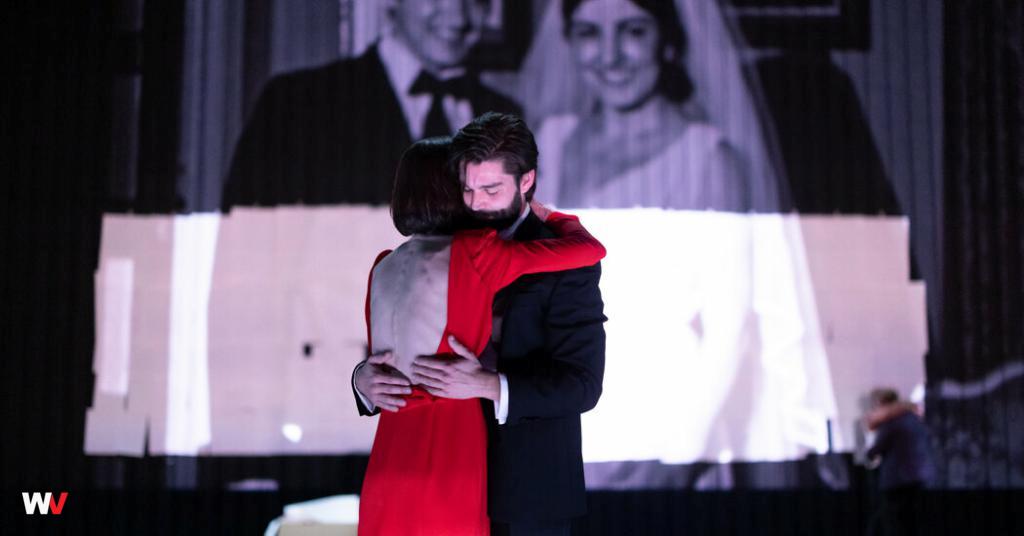
For one, it was a signal of artifice. “We Are the Lucky Ones” may be a moving work of music theater, but it is, ultimately, theater: a space for storytelling and reflection. The ghost light, though, also had a hint of the supernatural, summoning eight singers to an uncanny, purgatorial space so they could share their secrets, regrets and worries for the future.
Their stories are, for the most part, true. “We Are the Lucky Ones,” with music by Philip Venables and a libretto by Ted Huffman and Nina Segal, is based on interviews with about 80 people born between 1940 and 1949, distilled into a headlong rush through time.
What emerges, in an opera as compact and overwhelming as “Wozzeck,” is a portrait of a generation told with compassion, wisdom and artfulness. You can imagine a version of this story as an indictment of the age group that, as one character admits, “made a mess of things.” But while opera thrives on simplicity, with love blossoming over the few minutes of an aria, “We Are the Lucky Ones” is anything but simple.