Fashion
It’s Time to Bring Back the Duel
Quarrels used to be settled with dignity and honor.
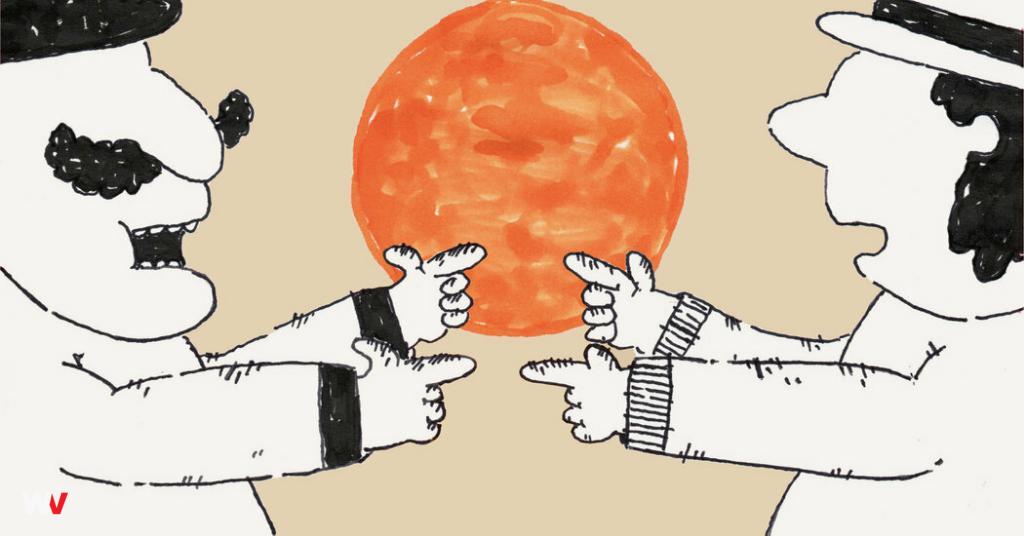
I prefer autumn for a duel. A nip in the air and the thick butterscotch warmth of bourbon. A whiff of wood smoke. The rustle of our feet through the leaves as we walk those 20 paces. The explosion of colors — and of pistols, too, of course: deep crimson on that rustled bed of bright orange and amber.
Oh, don’t mind me. I’m just imagining. I’ve never been in a duel, of course. We don’t allow duels anymore. They’re barbaric, archaic. We can just shoot people on the spot now, over whatever slight or insult or dust-up has us riled. We don’t need rules, or a quiet meadow at dawn. The strip-mall parking lot outside a suburban Italian restaurant will do. That happened a few years ago where I live. There was a disagreement over two S.U.V.s parked too closely to each other. The men argued, then one went to his vehicle for a gun and shot and killed the other. Over a parking dispute. Over nothing. The judge at the sentencing lamented how a gun, ever so handy when things became heated, “controlled” the man’s “mental condition” and “emboldened him.”
A couple of hundred years ago, this quick escalation, from mundane to murderous, might have taken several days. After the challenge was made and accepted, the duel would have to be scheduled, and a suitably secluded plot of land identified, and the weapons chosen, and the seconds (dueling’s version of the bridegroom’s best man) signed on. Then the appointed day would come — and what if it rained? Oh, snap! Were there rainouts in dueling, like in baseball? Heck, they might have decided to wait until autumn.
Not to make sport of duels, mind. They could be lethal. Alexander Hamilton most famously died from one, shot by his longtime political rival, Aaron Burr, in a dispute partly over the former’s deeming the latter “a dangerous man.” More than he knew!
But dueling, though fraught, was seldom fatal — only about 7 percent of duels resulted in death, according to scholars.
Consider the early American politicians John Randolph and Henry Clay, who staged what the Kentucky secretary of state’s website calls “one of the most ludicrous exchanges in the annals of dueling.” After some early misses, Clay put a bullet through Randolph’s coat, then braced for his opponent’s return fire. Randolph shot harmlessly into the air. No one died, or was even wounded that day. “But you owe me a new coat,” said Randolph to Clay. Har.