Fashion
Is It OK to Keep Returning Purchases You’ve Worn for Months?
The magazine’s Ethicist columnist on whether to exploit a store’s return policy.
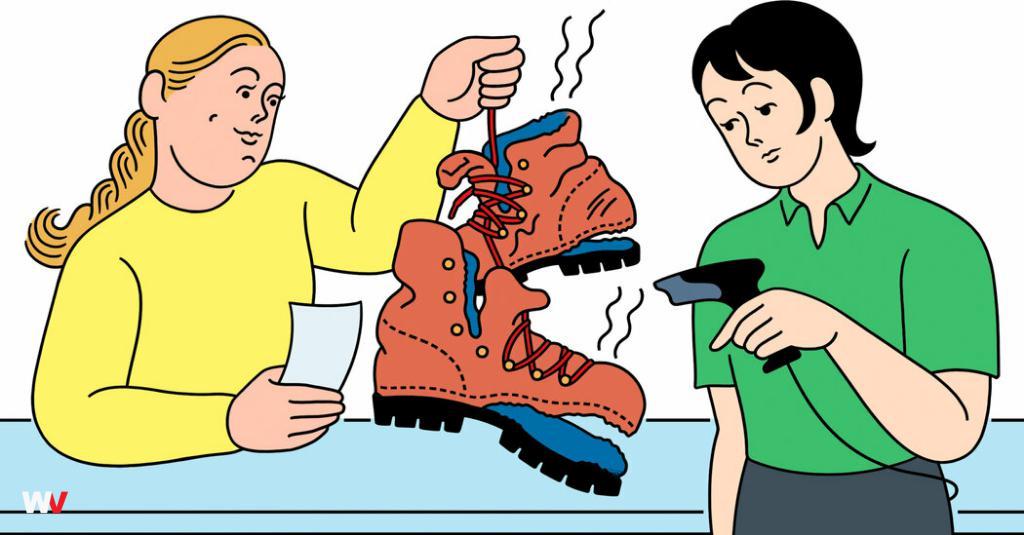
My partner loves a large outfitting company that has a very generous return policy. The store will accept nearly any return within a year of purchase. My partner has been buying fairly expensive items from the store, using them while we travel and then returning them, even though they have accrued a good amount of wear and tear. Note that she would probably keep the items if they were exactly what she wanted, but there is almost always some imperfection: For example, she returned the backpack she used daily for international travel after nine months because it was slightly bigger than ideal. She returned the shoes that she wore almost daily for several months because they were not quite as comfortable as she desired.
Of course, everything she has done is technically compatible with the store’s policies, and the store always has the ability to deny a return. And their policy is part of the reason she buys items from the store more often than she might otherwise do, including purchases that she does not ultimately return. I can’t help but feel, however, that her process of buying and taking things back is not in the spirit of the store’s return policy. If everyone used the policy in this way, I feel confident the store would be forced to eliminate it.
I certainly agree with returning an item that is truly not up to your standards as soon as possible, but using an item extensively and then returning it for some minor imperfection doesn’t sit quite right. It feels like ordering a burger at a restaurant, eating three-quarters of it and then demanding a refund because it was cooked medium instead of medium-rare.
If the store’s calculations were that this policy ultimately cost more than it was worth, of course they would cancel it. I can see both sides of this argument, and I’m truly unclear on what the most ethical approach is. — Name Withheld
From the Ethicist:
You’ve thoughtfully givenyour partner’s side of the argument as well as yours. She isn’t engaged in deceit or fraud; she’s in compliance with the retailer’s return policy. That policy presumably helps the retailer retain a loyal clientele, while costing an amount that it can probably predict with some precision. It’s also true that if lots of people acted as she does, the policy would change. And so an interesting question is why more of them don’t follow her example.
Perhaps most customers believe, as you seem to, that what she’s doing is an abuse of the system, because it’s predicated on the moral restraint of others. Commercial relations connect us in a web of mutual expectations beyond what is strictly required by contract. If, like your partner, people are profiting from an interpretation of the rules that they know isn’t widely shared, they are exploiting the spirit-of-the-policy compliance of their fellow customers.