

Fashion
‘Grand Theft Hamlet’: The (Game) Play’s the Thing
The film captures two players staging the classic within an online video game, raising fascinating questions about community and connection.
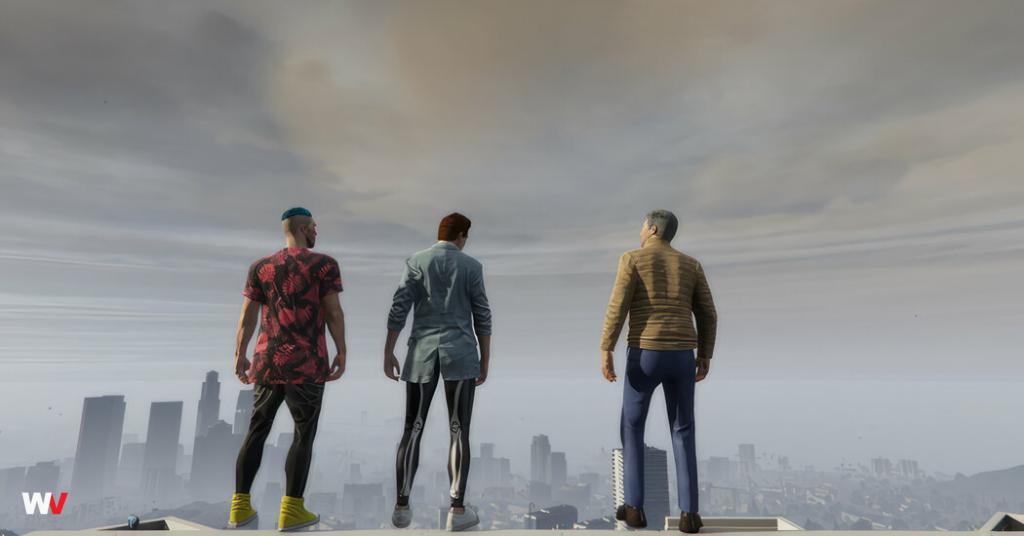
A few members of a budding amateur theater company stand in a mostly empty amphitheater, plotting a new production of “Hamlet.” The stage is large and bare, set in a landscape that resembles Southern California. The seats, they dream, will one day be full of eager audience members.
For now, though, there are just a few figures milling around the edges of the theater, moving a little closer, apparently interested in what’s happening. The players seem to be getting nervous. “If I could just request that you refrain from killing each other,” a British-accented voice says nicely. “And, oh, don’t kill the actors either.”
Not really an ordinary rehearsal anywhere, but this isn’t just anywhere: It’s Grand Theft Auto Online, a multiplayer extension of Grand Theft Auto V. Even if you’re not a gamer, you probably know its reputation as an ultraviolent release set in a place called San Andreas, a kind of dystopian version of Southern California where lawlessness rules and everyone is corrupt. Your job as a character is to kill, steal or destroy as much as you want, making you ever more powerful, while also escaping death.
This is not the ideal setting for players to use their avatars to stage a Shakespeare play. Or is it? As one participant points out, there’s a lot of death and dying and bad behavior in Shakespeare.
“Grand Theft Hamlet” (in theaters) is a documentary directed by Sam Crane and Pinny Grylls and shot entirely inside Grand Theft Auto. With one brief exception, we see only the players’ avatars, never their real faces. In early 2021, as Britain headed into its third Covid-19 lockdown, Crane and his friend Mark Oosterveen — both out-of-work actors, thanks to the pandemic — decided to stage “Hamlet.” Grylls, a filmmaker and Crane’s real-life partner, joined the game for the first time, partly to document it and partly because Crane’s growing obsession with the project meant it was the only way to spend time with him.





