Fashion
Gaming’s Uneven Progress Toward Diverse Female Figures
A vocal group that says women in video games are being defeminized wants to return to 1990s babes like Lara Croft.
The intergalactic bounty hunter in the sci-fi video game Metroid was outfitted with a sleek helmet, red and orange armor and a deadly arm cannon. But it’s what was underneath that was emblematic of the late 1980s.
If a player defeated the game in less than an hour, the character Samus Aran would flash until that armored suit was suddenly gone, replaced by a blond woman in a pink bikini.
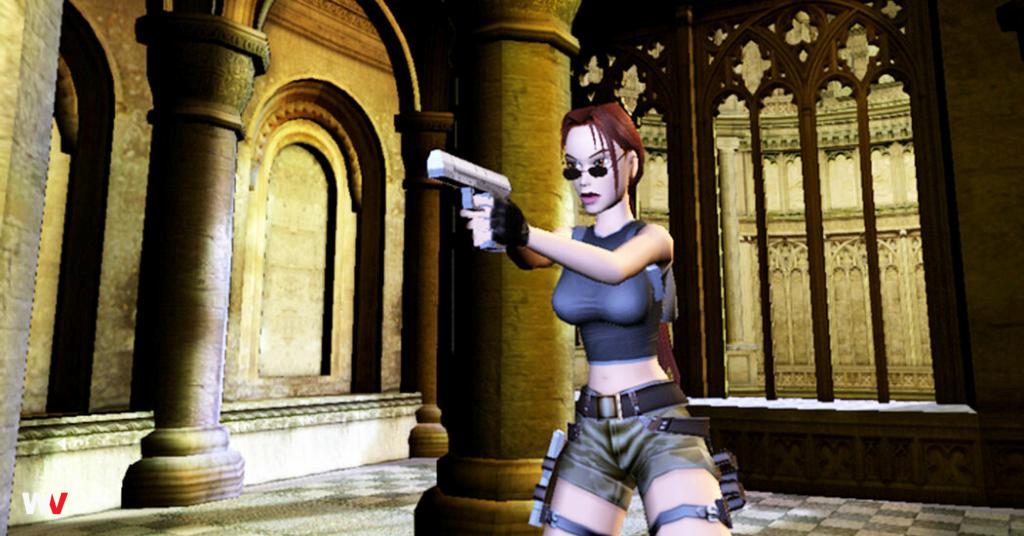
The industry’s hypersexualization of women continued through the 1990s with characters like Lara Croft, the Tomb Raider archaeologist with short shorts, prominent breasts and an often bare midriff, and Morrigan Aensland, the batlike succubus of the Darkstalkers series.
As the audience for video games has become increasingly diverse over the past two decades, developers have worked intentionally to better represent a spectrum of women who don’t conform to 20th-century sexual stereotypes, either in what they do — some characters are resistance fighters and photojournalists — or how they look.
Yet not everyone is on board.
Online influencers like Jeremy Hambly, whose YouTube channel has nearly 1.8 million subscribers, have attracted audiences with reactionary videos about social issues. He is known for divisive commentary on video game culture, posting daily videos with titles such as “Woke Video Game MASSIVELY FLOPS” and “Internet Fixes Ugly Female Video Game Character & Leftists Explode With Rage!”