Fashion
Can Accepting Money for Volunteering Be the Right Thing to Do?
The magazine’s Ethicist columnist on the wages of charitable work.
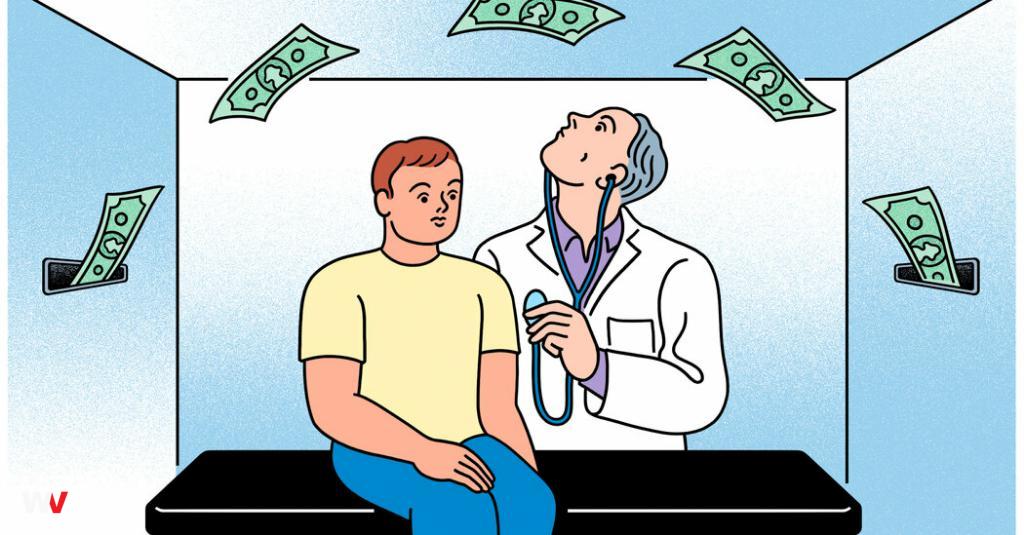
My husband is a physician and volunteers extensively at a rural clinic for uninsured patients. He recently won a local award for his service there. Around the same time, the large nonprofit hospital where we both work informed him that they had overpaid him for the past two years and will reduce his future pay to recover the difference. But they very generously offered to lower the repayment amount based on the number of days he spends volunteering at the clinic — essentially paying him for this work.
If we agreed, we would donate back to the clinic the amount the hospital ‘‘pays’’ him; financially we’d be fine, and we’d be helping the clinic. Even so, my husband doesn’t want to be paid for something he regards as volunteer work. Because he recently won the award, we also worry that if word got out about his being paid for the work, it might smear his good name. Yet the clinic would benefit greatly from such a large donation and wouldn’t thank us for turning down the hospital’s money on principle. What to do? — Name Withheld
From the Ethicist:
What’s at stake for your husband is what kind of person he wants to be — and yes, what kind of person he wishes to be seen as. In the biomedical-ethics course you would have taken in medical school, you both were probably introduced to the utilitarian ideal of doing what will produce the most net good. You’re wondering whether you can square a concern for character with a concern for consequences.
What seems obvious is that accepting the money needn’t be conceived as being paid for volunteer work, given that only the clinic would benefit. So should we dismiss his unease as vanity masquerading as ideals? Not necessarily — it may reflect his understanding that the perceived authenticity of charitable work has real implications for the broader culture of service. If people begin to doubt whether celebrated volunteer work is truly uncompensated, it could discourage others from pitching in.
The point is that the good we do isn’t just a matter of immediate consequences; it can involve sustaining social institutions over the long term. Given your worries, your husband could urge the hospital to donate the relevant amount directly to the clinic instead. This would maintain the purely volunteer nature of your work while benefiting the clinic, reconciling character and consequences.