

Fashion
At City Ballet, a Swan Is Born and a Firebird Flies Into the Sunset
“It was pandemonium,” Maria Tallchief wrote in her memoir about her “Firebird” debut, in 1949. “The theater had turned itself into a football stadium, and the audience was in a frenzy.” The only thing that went wrong was that they hadn’t rehearsed …
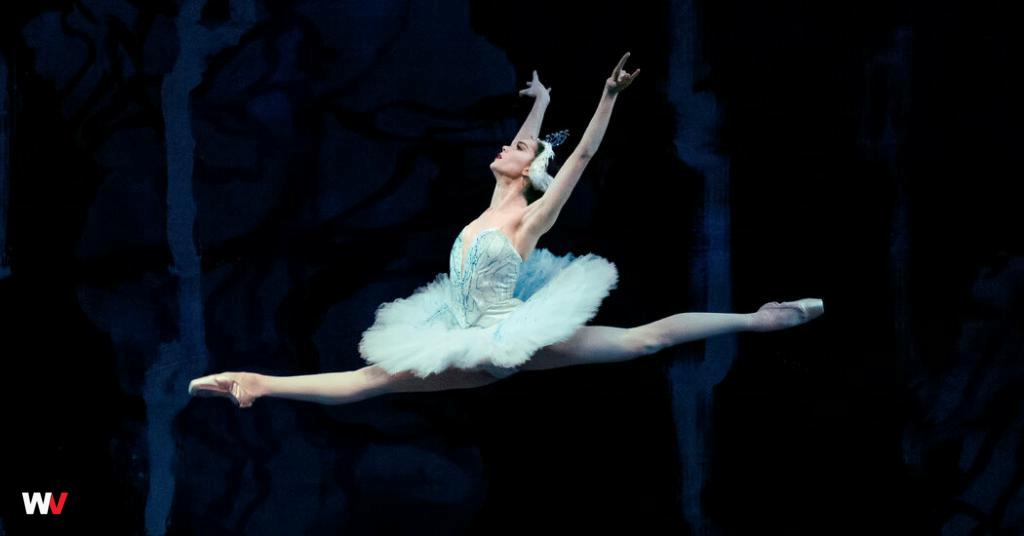
“It was pandemonium,” Maria Tallchief wrote in her memoir about her “Firebird” debut, in 1949. “The theater had turned itself into a football stadium, and the audience was in a frenzy.”
The only thing that went wrong was that they hadn’t rehearsed the curtain calls.
Tallchief was New York City Ballet’s first star, a thrilling dancer and a part of why the company rose to become the most important in the country. This season, City Ballet paid tribute to Tallchief’s centennial with a program of ballets that George Balanchine created for her: “Scotch Symphony” (1952),“Sylvia: Pas de Deux” (1950) and “Firebird.”
Tallchief, of Osage descent, was a force, a testament to what American ballet could be. As the company’s associate artistic director, Wendy Whelan, said in a curtain speech, “Her discipline, musicality, power and integrity will forever be our north star.”
Throughout City Ballet’s winter season, there were performances that inspired real celebration, if not quite pandemonium — especially Alexei Ratmansky’s “Paquita,” a valiant experiment pairing Balanchine’s 1951 “Minkus Pas de Trois” with his own restaging of the Grand Pas Classique, the final act of “Paquita.” Ratmansky rejuvenated ballet while pushing his dancers to become better versions of themselves.
To witness each cast, especially the formidable Mira Nadon in the ballerina role, was enlighteningbecause the dancing was so alive — a fresh take on how a ballet, even a historical one, could be progressive. The season’s other new offering, Justin Peck’s “Mystic Familiar,” was hardly that — its quest for innovation landed it in a place as earnest as its title.
I could have lived without the photographer Elizaveta Porodina’s banners and prints, presented as part of the company’s Art Series, which turn dancers into blurry, interchangeable beings. But the range and beauty of City Ballet comes from the individuals that make up its ranks, including two glamorous talents who were promoted to principal dancer this season: Miriam Miller, a towering, willowy blond; and Gilbert Bolden III, whose exceptional partnering and exuberant dancing make him indispensable. He is an artist who always gives his all.