Fashion
An American in Paris, Honored Like Nobody Before
The artist Barbara Chase-Riboud hadn’t had a show in her adopted city since 1974. Now she is being celebrated in eight museums, including the Louvre.
The Salle des Cariatides gallery at the heart of the Louvre is home to the museum’s finest examples of Greek and Roman statuary. And, until January, it’s also the showcase for a gleaming 1997 sculpture titled “Cleopatra’s Bed.”
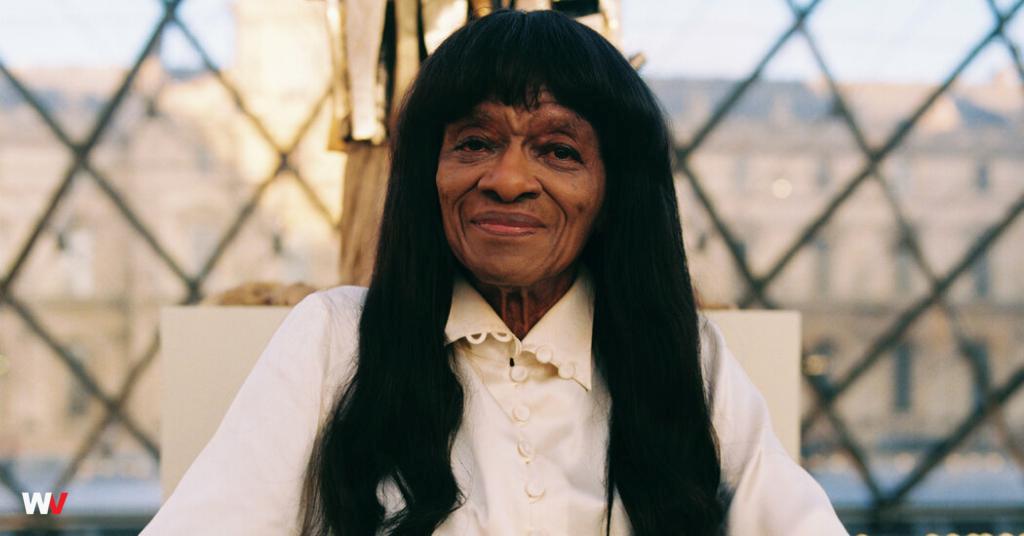
The sculpture, made of polished bronze plaques, is by Barbara Chase-Riboud, the African American artist, novelist and poet who has lived in Paris since 1961 and is now a dual French-U.S. citizen. She is being honored this fall with an exhibition staged across eight major Paris museums — a first for a living artist. Through Jan. 13, she is showing three works at the Louvre and three dozen others at institutions including the Pompidou Center and the Musée d’Orsay.
The multi-museum homage is part of a push by French museums to correct centuries of underrepresentation of women and nonwhite artists. Leading the effort is the Louvre and its first female president, Laurence des Cars, who, in her last job running the Musée d’Orsay, staged a major exhibition focusing on people of color in 19th-century art.
“Barbara’s work has been underappreciated,” said Darren Walker, the president of the Ford Foundation, which is sponsoring the Chase-Riboud show. He said he hoped the exhibition would “elevate the excellence that has been sometimes ignored, sometimes erased, by critics, curators and cultural elites.”
France has honored artists with multisite exhibitions before, but posthumously — for the French artists Christian Boltanski and Claude Rutault. Louvre and Pompidou Center leaders wanted to celebrate a living French artist, and the Louvre’s head of contemporary programs Donatien Grau suggested Chase-Riboud, who hadn’t had a Paris show since 1974.