

Fashion
Alice Coltrane: Artist’s Muse and Sonic Healer
After Alice Coltrane’s death in January 2007, the many who mourned her passing and celebrated her influence — from the jazz world, Hindu and new-age communities, and beyond — did so with a shared sadness and fervor, but for different reasons. They …
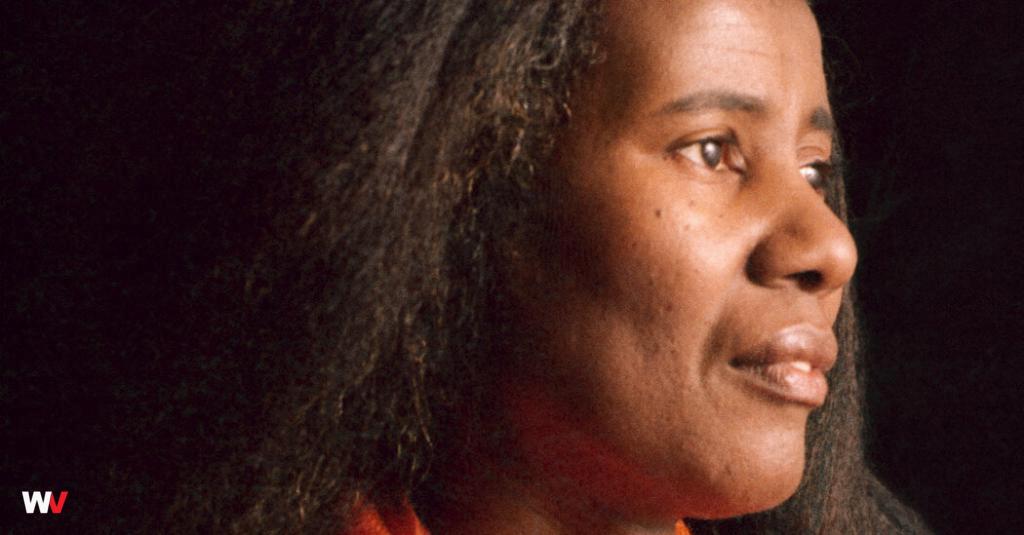
After Alice Coltrane’s death in January 2007, the many who mourned her passing and celebrated her influence — from the jazz world, Hindu and new-age communities, and beyond — did so with a shared sadness and fervor, but for different reasons. They even called her by different names.
To musicians she was first and foremost Alice Coltrane, the Detroit-raised pianist who met John Coltrane in New York City in 1963, married him and joined his band in its late, avant-garde phase before his death in 1967. She went on to release important albums herself, playing piano and harp, accompanied by some of his main musical acolytes.
To spiritual seekers, however, she was Turiyasangitananda — Turiya for short, or simply Swamini, the Hindu term for a female religious teacher. After John’s death, she traversed an intense period of meditation, physical trials and revelations. In 1972, she moved from their house on Long Island to California; a few years later, obeying what she experienced as a divine command, she founded an ashram near Los Angeles. There, the music was devotional, laced with Sanskrit mantras, part of a community life focused on study and worship.
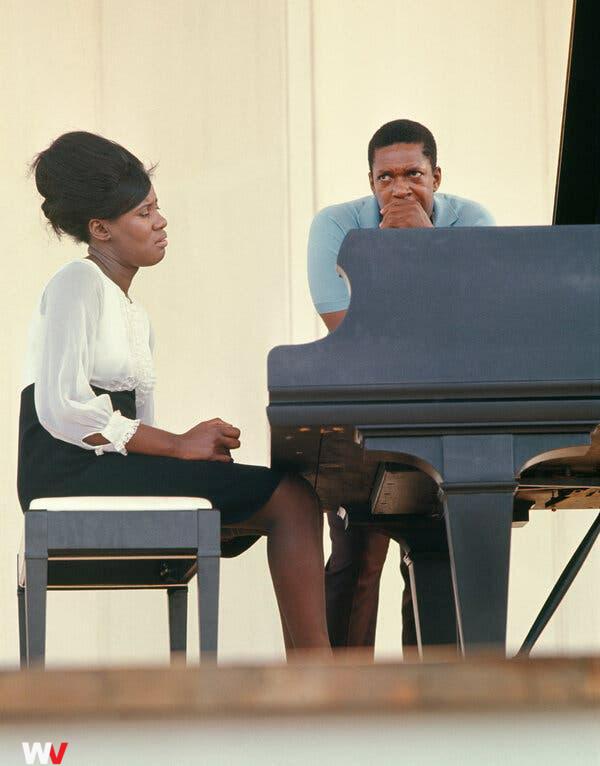
Alice and John Coltrane at the Newport Jazz Festival in 1966. Credit…Hozumi Nakadaira; via Yasuhiro Fujioka Collection and Hammer Museum
Her impact in her lifetime was significant but segmented. At a memorial gathering at the Cathedral Church of St. John the Divine in May 2007, the program was so rich with jazz greats that it merited a music review in The New York Times. It also featured members of yogic groups whose chants, the critic Nate Chinen wrote, “nodded promisingly toward polyphony but ultimately faltered into vagueness.”
Over time, however, the memory of Alice Coltrane — by any name — has overflowed these niches and seeped into broader culture. A musical biography by the scholar Franya J. Berkman, published in 2010, was the first to treat her oeuvre in full, from Detroit gospel roots through Hindu bhajans. Recent reissues of obscure or rediscovered albums have widened the critical attention.